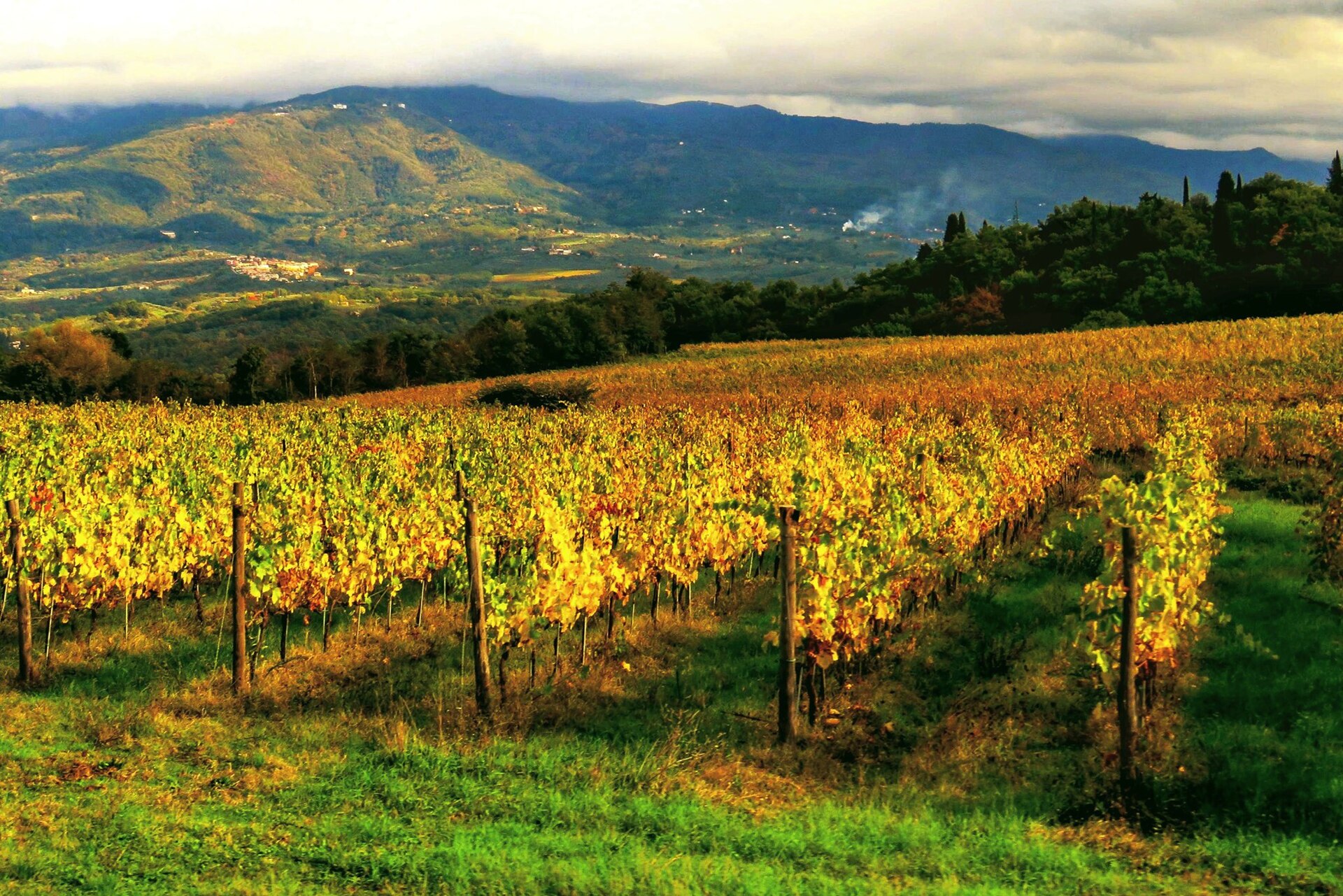
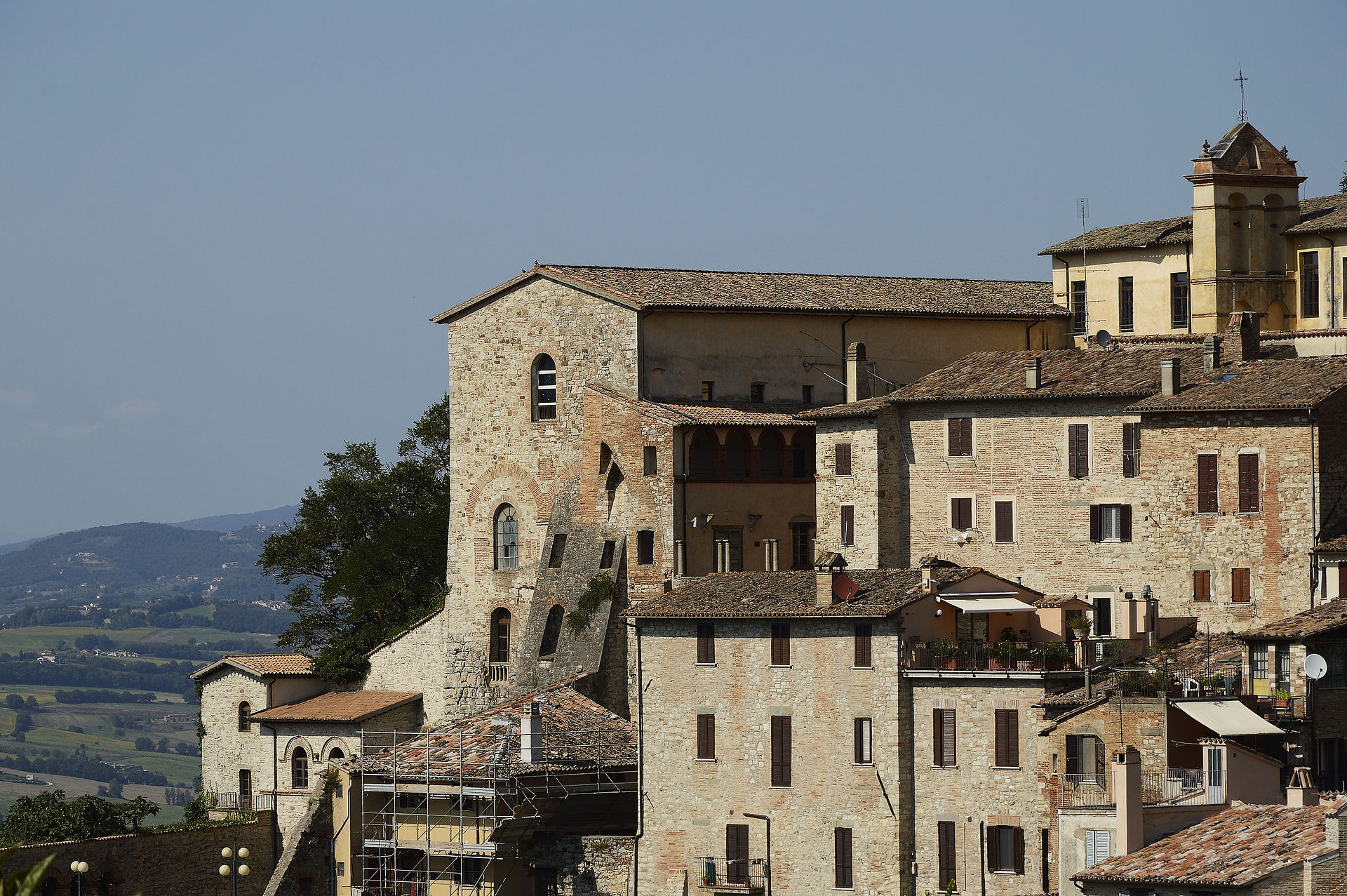
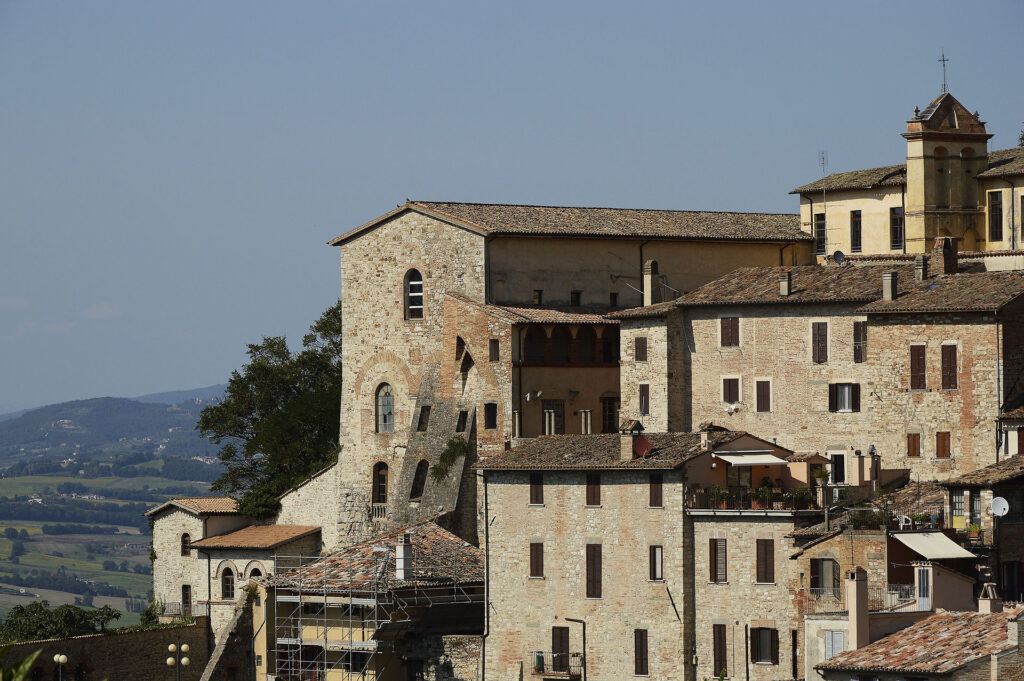
Umbria, Italy is the region many travelers pass on the train between Rome and Florence without realizing what they are missing. Known as the green heart of Italy, it is a land of hill towns, olive groves, forests and medieval churches, with Assisi, Perugia and Orvieto among its best-known towns.
This guide answers the questions travelers ask most about Umbria: where it is, whether it is part of Tuscany, how far it is from Rome, what to do, and where to stay.
Where is Umbria in Italy?
Umbria is in central Italy, between Tuscany, Lazio and Marche. Wikipedia describes it as “bordered by Tuscany to the west and the north, Marche to the east and Lazio to the south,” with Perugia as its regional capital.
It is also unusual among Italian regions. The same source notes that it is “the only Italian region having neither a coastline nor a common border with other countries,” which is why its landscapes are all hills, valleys, lakes and mountains rather than beaches.
Is Umbria in Tuscany?
No, Umbria is not in Tuscany. It is a separate Italian region that borders Tuscany to the west and north, according to Wikipedia.
The two regions are often confused because they share a similar landscape of hill towns, vineyards and olive groves. Umbria is generally quieter, and many travelers combine the two, crossing from Tuscany to Lake Trasimeno or from Florence to Perugia in a short drive.
What is Umbria known for?
Umbria is known for its green countryside, its medieval hill towns, Saint Francis of Assisi, black truffles and Sagrantino wine. Its nickname, “the green heart of Italy,” comes from a poem by Giosuè Carducci, according to Wikipedia.
Food is a big part of the region’s identity. The same source notes that the Valnerina area “produces 45% of” Italy’s black truffles, and lists Sagrantino di Montefalco among the region’s signature wines, alongside Orvieto and Grechetto whites.
How far is Umbria from Rome?
Umbria is close to Rome: Orvieto, the nearest major Umbrian town, is about 97 km (60 miles) away. Trainline reports an average train journey of about 1 hour and 26 minutes, with the fastest trains taking 1 hour.
Perugia, the regional capital, is farther. Trainline puts it about 135 km (84 miles) from Rome, with an average journey of around 3 hours 35 minutes and the fastest trips taking 2 hours 20 minutes, so for Perugia and the countryside a private driver or car is often quicker.
What to do in Umbria?
The best things to do in Umbria are exploring its hill towns, visiting Assisi, eating truffles and drinking local wine, and spending time in nature around Lake Trasimeno and the Marmore Falls. Most visitors combine two or three towns with a day in the countryside.
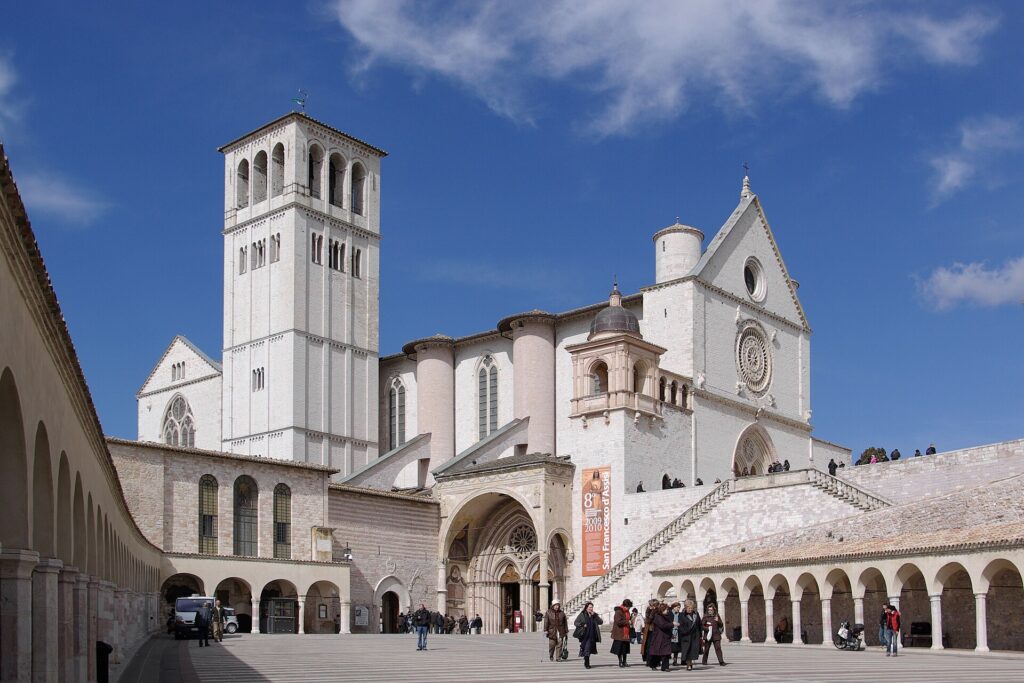
- Assisi: the birthplace of Saint Francis. UNESCO lists Assisi and its Franciscan sites as a World Heritage Site, noting the basilica’s “masterpieces by Giotto.”
- Orvieto: a hilltop town with a spectacular cathedral. Its Chapel of San Brizio is famed for its frescoes by Beato Angelico and Luca Signorelli, and Umbria Tourism calls it “unique within Italian renaissance art.”
- Perugia: the lively regional capital, with a university atmosphere and a fine historic center. Our guide to what to see in Perugia covers the highlights.
- Spello: part of the club of “The Most Beautiful Villages of Italy,” according to Umbria Tourism, with flower-filled medieval streets.
- Lake Trasimeno: “the fourth largest lake in the peninsula,” according to Italia.it, with three islands reachable by ferry.
- Marmore Falls: a waterfall with a drop of 165 meters, created by a Roman drainage project ordered in 271 BC, according to Italia.it.
- Montefalco and the Valnerina: wine tasting and truffle country, for the region’s best food experiences.
Which Umbrian towns should you visit?
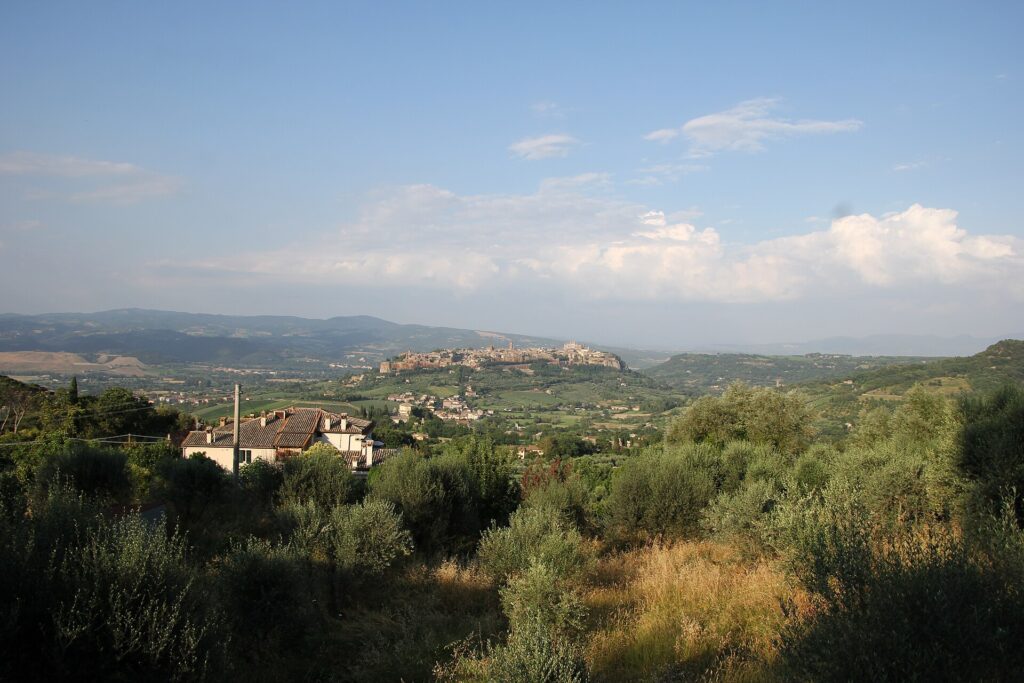
If you only have time for a few towns, choose Assisi, Orvieto and Perugia, then add Spello or Todi for a smaller, quieter village. The table below shows what each town is best for.
| Town | Why go | Best for |
|---|---|---|
| Assisi | Basilica of San Francesco and medieval streets | Art, history and pilgrims |
| Orvieto | Cathedral and the Chapel of San Brizio | An easy trip from Rome |
| Perugia | Regional capital with a lively historic center | A central base with restaurants and culture |
| Spello | Flower-filled lanes near Assisi | A romantic small-town stay |
| Todi | Hilltop town with wide views | Quiet evenings and countryside |
| Lake Trasimeno | Islands, lakeside towns and water sports | Relaxing days by the water |
Where to stay in Umbria, Italy?
Stay in Perugia or Assisi if you want a central base with good connections, in Orvieto if you are coming from Rome, or in a countryside farm stay or villa if you want peace and space. Many travelers split their stay, with a few nights in a town and a few in the countryside.
- Perugia: the most practical base for exploring the whole region, with plenty of restaurants.
- Assisi or Spello: ideal for evenings in a beautiful town after the day visitors leave.
- Orvieto: the best choice for a short trip from Rome or a stop on the way to Florence.
- Countryside agriturismo or villa: for pools, views and slow days, especially around Montefalco, Todi or the Trasimeno hills.
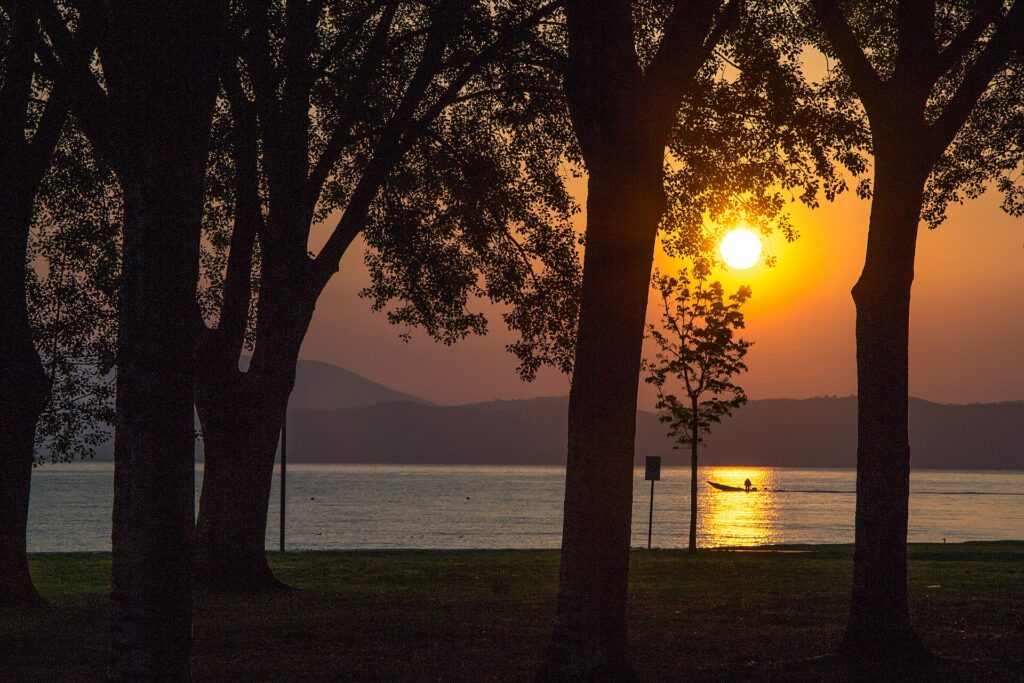
- Lake Trasimeno: for a relaxed, lakeside stay close to the Tuscan border.
A countryside base works best with a car or private driver, because farm stays are often outside the reach of trains and buses.
How many days do you need in Umbria, Italy?
Three to five days is enough to see the highlights of Umbria at a relaxed pace. Three days covers Assisi, Perugia and Orvieto, and five days leaves time for Spello, a wine tasting in Montefalco and a day at Lake Trasimeno or the Marmore Falls.
If you are combining Umbria with Rome or Tuscany, even two nights in the countryside will change the rhythm of your trip. It is the easiest way to see a quieter side of Italy without a long transfer.
Can you combine Umbria with Marche?
Yes, Umbria, Italy and Marche, Italy border each other, so they combine naturally in one trip. From Assisi or Spello, the drive east brings you into Marche, where you can continue to Urbino, the Frasassi Caves and the Adriatic coast.
Our 10-day Italy honeymoon itinerary follows exactly this route from Rome through Umbria to the Conero Riviera. For more regions beyond the usual routes, see our guide to off the beaten path Italy.
How can Sweet Life Italy help you plan a trip to Umbria, Italy?
Sweet Life Italy can design a private trip through Umbria and neighboring Marche, with hotels, experiences and transport arranged for you. We run our own chauffeur service with English-speaking drivers, so you can reach farm stays, wineries and hill towns without renting a car.
Explore our private tours of Marche and central Italy or tell us about your trip. The first estimate is free, and we start with a video call to understand what you are looking for.
About Sweet Life Italy. Sweet Life Italy is a certified incoming tour operator and destination management company based in Castelraimondo, in the Marche region, founded by Marco and Ilaria. We design bespoke Italian holidays with private transport from our own chauffeur service.