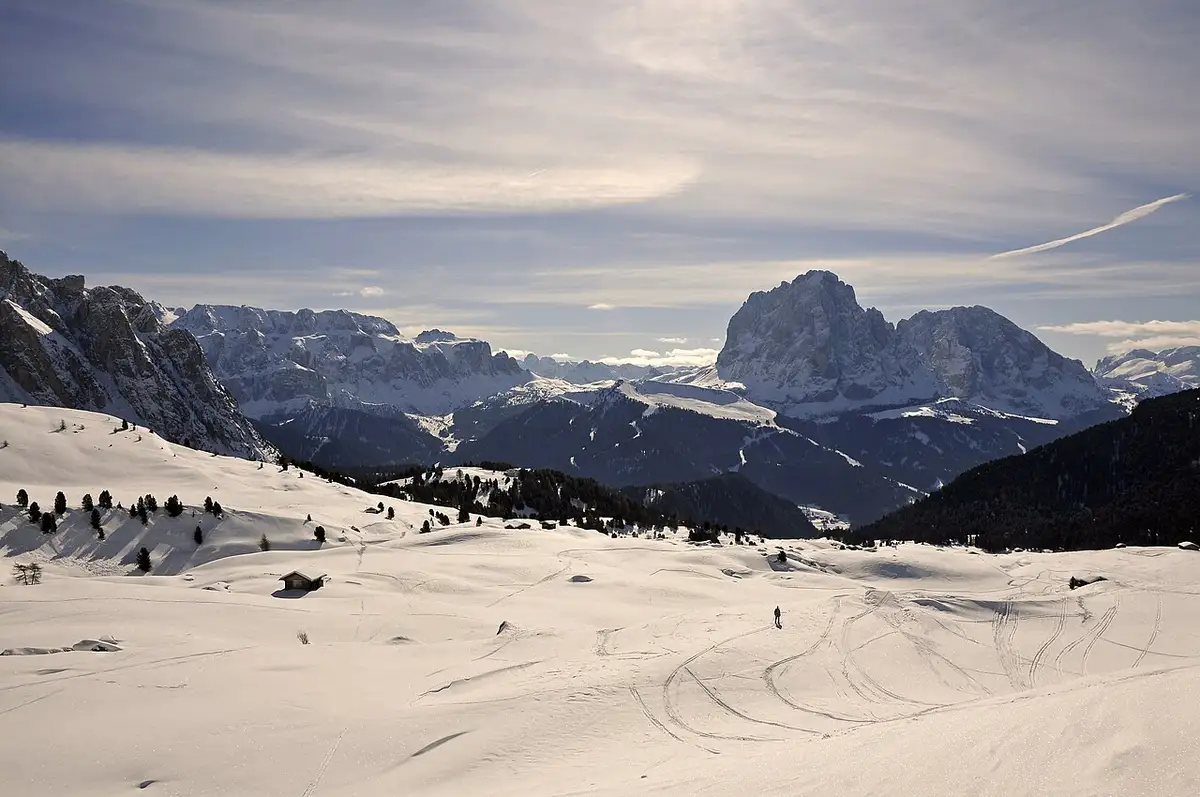
Italy in winter (December to February) is cool and quiet: average highs of about 43 to 47°F in Milan, Venice and Florence, 51 to 53°F in Rome and 55 to 59°F in Sicily, with snow in the Alps and Apennines. It is the season for art cities without crowds, skiing, Christmas, Epiphany and Carnival.
Italy in winter 2026-27: quick answers
- Is it worth it? Yes, for museums, food, festivals and snow. Not for beaches or long days outdoors.
- Coldest month: January. Rome averages 51°F by day and 38°F at night.
- Warmest places: Trapani and Siracusa in Sicily, with January highs of about 56 to 57°F.
- Ski season: the Dolomiti Superski season runs from 4 December 2026 to 4 April 2027, with some areas opening on 28 November.
- Big dates: Christmas, New Year, La Befana on 6 January, Venice Carnival from 23 January, Viareggio parades from 30 January, Sant’Agata in Catania on 3 to 5 February.
- Driving: from 15 November to 15 April many roads require winter tires or snow chains on board, even without snow.
We are Marco and Ilaria, and we live in Marche, the region between Umbria and the Adriatic. We design private, tailor-made trips around Italy, and winter is when our hill towns smell of wood smoke and black truffle. This guide puts the whole season in one place, with official climate tables and the 2026-27 dates published so far, checked on 19 November 2026. For month-by-month detail, see our guides to Italy in December, Italy in January and Italy in February.
Is it worth visiting Italy in winter?
Yes, if you come for cities, food and festivals rather than the sea. Winter is the low season in most of Italy outside the ski resorts and the holiday weeks, so the great museums are calmer and restaurants are full of Italians rather than tour groups.
What works well in winter:
- Art cities: Rome, Florence, Venice, Naples and Bologna, with shorter lines than in spring or fall.
- Festivals: the Christmas season runs from 8 December to 6 January, and Carnival fills late January and February.
- Snow: the Dolomites and the Alps for skiing, and the Apennines for snowy villages and quieter slopes.
- Food: the black winter truffle, new olive oil, slow-cooked meat and the sweets of every holiday.
What doesn’t: swimming, beach clubs, most island ferries on summer timetables, and long evenings outside. The sun sets early, and many sights close earlier too. The Colosseum, for example, keeps winter hours from 25 October 2026 to 28 February 2027: 8:30 am to 4:30 pm, last entry 3:30 pm, closed on 25 December and 1 January.
What is the weather like in Italy in winter?
Mild on the coasts and in the south, cold in the north and in the mountains. January is the coldest month almost everywhere, and December is usually the wettest.
The table uses the official 1981 to 2010 province averages from the Atlante italiano del clima, published by Italy’s national rural network. These are averages for the whole province, so the Bolzano figures include high mountain areas and are colder than the city itself.
| Province | December high / low | January high / low | February high / low | Winter rain (Dec to Feb) |
|---|---|---|---|---|
| Trapani (Sicily) | 59°F / 50°F | 57°F / 47°F | 57°F / 46°F | 8.4 in (214 mm) |
| Siracusa (Sicily) | 59°F / 47°F | 56°F / 44°F | 57°F / 44°F | 8.7 in (220 mm) |
| Cagliari (Sardinia) | 57°F / 45°F | 55°F / 43°F | 56°F / 42°F | 6.1 in (156 mm) |
| Lecce (Puglia) | 57°F / 44°F | 55°F / 42°F | 55°F / 41°F | 7.0 in (178 mm) |
| Naples | 56°F / 44°F | 54°F / 42°F | 55°F / 42°F | 10.0 in (255 mm) |
| Palermo (Sicily) | 55°F / 45°F | 53°F / 42°F | 54°F / 42°F | 8.9 in (225 mm) |
| Rome | 53°F / 40°F | 51°F / 38°F | 52°F / 38°F | 9.5 in (241 mm) |
| Ancona (Marche) | 49°F / 37°F | 47°F / 35°F | 49°F / 35°F | 7.4 in (187 mm) |
| Macerata (Marche) | 48°F / 36°F | 47°F / 34°F | 48°F / 33°F | 7.4 in (187 mm) |
| Florence | 47°F / 37°F | 46°F / 36°F | 48°F / 36°F | 7.7 in (195 mm) |
| Perugia (Umbria) | 47°F / 35°F | 45°F / 33°F | 47°F / 33°F | 7.6 in (193 mm) |
| Venice | 46°F / 35°F | 44°F / 33°F | 47°F / 33°F | 6.6 in (168 mm) |
| Bologna | 45°F / 34°F | 43°F / 32°F | 46°F / 34°F | 6.3 in (159 mm) |
| Milan | 43°F / 33°F | 42°F / 31°F | 46°F / 34°F | 6.6 in (168 mm) |
| Bolzano (Dolomites) | 32°F / 20°F | 31°F / 18°F | 34°F / 19°F | 3.9 in (100 mm) |
Two patterns stand out. The north is dry but cold, with fog in the Po Valley around Milan and Bologna. The south and the islands are mild but get the most rain, so pack an umbrella for Naples and Sicily as well as a coat for Milan.
Where is the warmest place in Italy in winter?
Sicily. In the official province averages Trapani is the mildest, with January highs of about 57°F and the warmest nights in the country (47°F), followed closely by Siracusa, Cagliari in Sardinia and Lecce in Puglia.
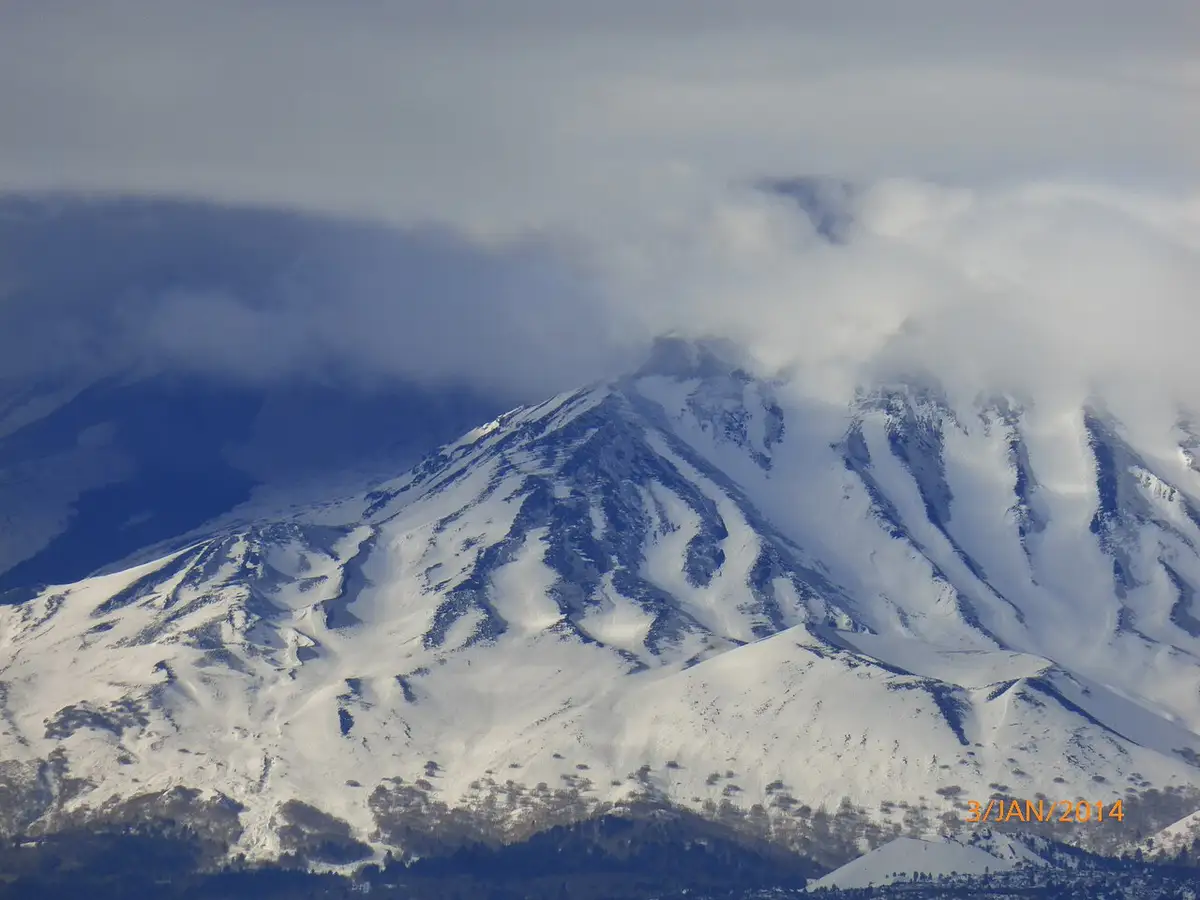
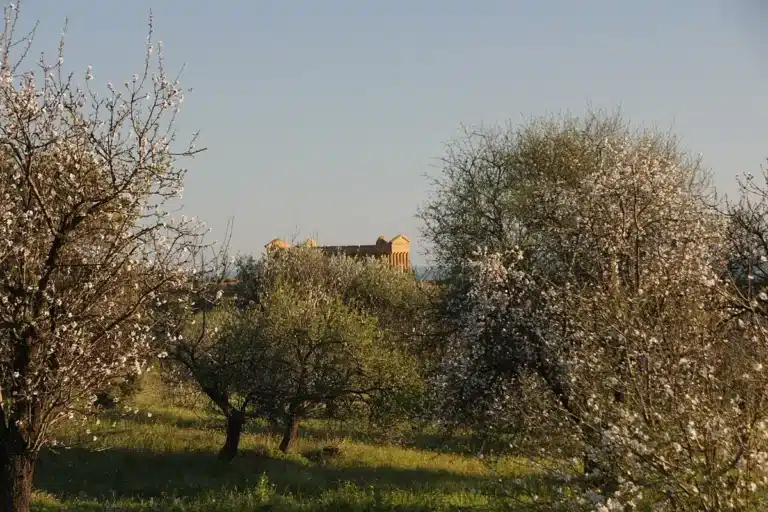
Mild does not mean beach weather: the sea is cold and many seaside hotels close for the season. What the south gives you in winter is sunshine for walking, Greek temples without crowds and, in eastern Sicily, the sight of a snow-capped Etna above orange groves. Catania also hosts one of Italy’s greatest religious feasts: according to the city of Catania, the Feast of Saint Agatha fills the streets every year on 3, 4 and 5 February, with huge decorated candles called candelore carried through town.
Where to go in Italy in winter
Choose by what you want from the season: art, snow, mild sun or slow food. These are the places we suggest most often to guests who travel between December and February.
- Rome. The mildest of the big art cities, with highs around 51 to 53°F. State museums and archaeological sites are free on the first Sunday of the month (6 December 2026, 3 January and 7 February 2027) under the Ministry of Culture’s Domenica al Museo scheme, though those days are busy and booking may still be required.
- Florence and Tuscany. Uffizi mornings without the spring lines, cozy trattorias and, in February, the Viareggio Carnival on the coast.
- Venice. Misty, quiet and beautiful in December and early January, then masked and busy for Carnival from 23 January 2027.
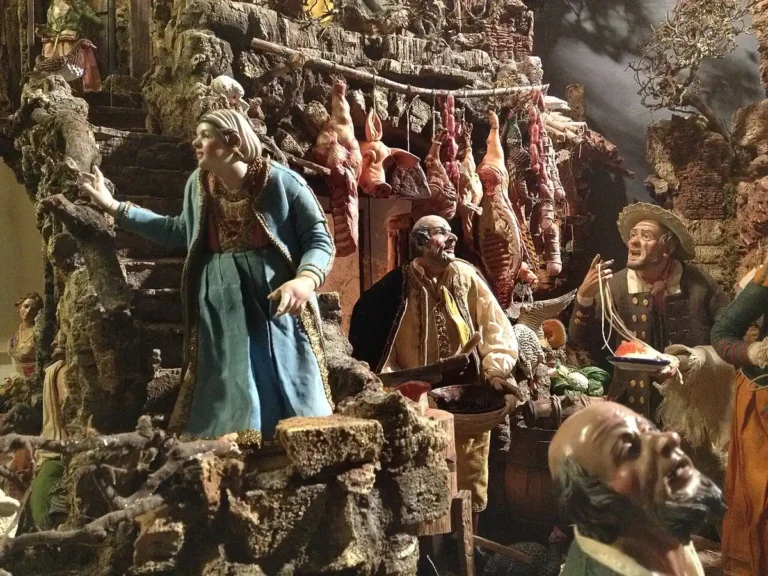
- Naples and the Amalfi Coast. Naples is at its best at Christmas, when the nativity workshops are in full swing. The Amalfi Coast is quiet and many hotels close, so treat it as a day trip.
- The Dolomites. Italy’s classic ski region. The Dolomiti Superski season runs from 4 December 2026 to 4 April 2027, and the consortium’s live lift page lists earlier starts on 28 November 2026 for Plan de Corones, Val di Fiemme/Obereggen and San Martino di Castrozza, with Cortina d’Ampezzo scheduled to run until 2 May 2027.
- Sicily. The warmest choice, with Palermo’s markets, Siracusa and Ortigia, the temples of Agrigento and Sant’Agata in Catania.
- Marche. Our home region: snowy hill towns, truffle season, the Frasassi Caves and festivals that are still mostly Italian. More on this below.
- Umbria. Perugia, Assisi and Spello in winter light with Christmas nativity scenes and black truffle dishes.
A winter trip designed around you. We plan private trips for 1 to 7 guests, with licensed local guides, truffle hunts, cooking with families, festival days and our own drivers to take you from one town to the next, so you never drive on winter roads. See our private luxury tours of Italy, or our private Marche tours to spend the season with us in our region.
What’s on in Italy in winter 2026-27?
Winter is Italy’s festival season: two months of Christmas traditions, then Carnival. These are the main dates confirmed so far by organizers.
| Date | Event | Where |
|---|---|---|
| 28 November and 4 December 2026 | Ski season opens (first areas, then the Sellaronda valleys) | Dolomites |
| 8 December to 6 January | The Christmas season: nativity scenes, markets, concerts (see our Italian Christmas traditions guide) | Everywhere |
| 9 and 10 December 2026 | Festa della Venuta, bonfires and night procession (see our Loreto guide) | Loreto, Marche |
| 31 December | New Year’s Eve concerts in the squares (see New Year’s Eve in Italy) | Rome, Naples, Bologna and more |
| 5 and 6 January 2027 | National Befana Festival, 30th edition (official site); more in our Befana guide | Urbania, Marche |
| From 23 January to 9 February 2027 | Venice Carnival (official site), ending on Shrove Tuesday | Venice |
| 30 January to 20 February 2027 | Six float parades: 30 Jan, 4, 7, 9, 14 and 20 Feb (official program) | Viareggio, Tuscany |
| 3 to 5 February | Feast of Saint Agatha | Catania, Sicily |
Shrove Tuesday falls on 9 February in 2027, which is why Carnival is early this year: by mid-February most celebrations are over, and Lent begins. The next season starts in March, which we cover in Italy in March.
Is Marche worth visiting in winter?
Yes, especially if you like food, quiet hill towns and festivals that feel local. Marche has the Apennines on one side and the Adriatic on the other, so you can see snow in the morning and the sea in the afternoon.
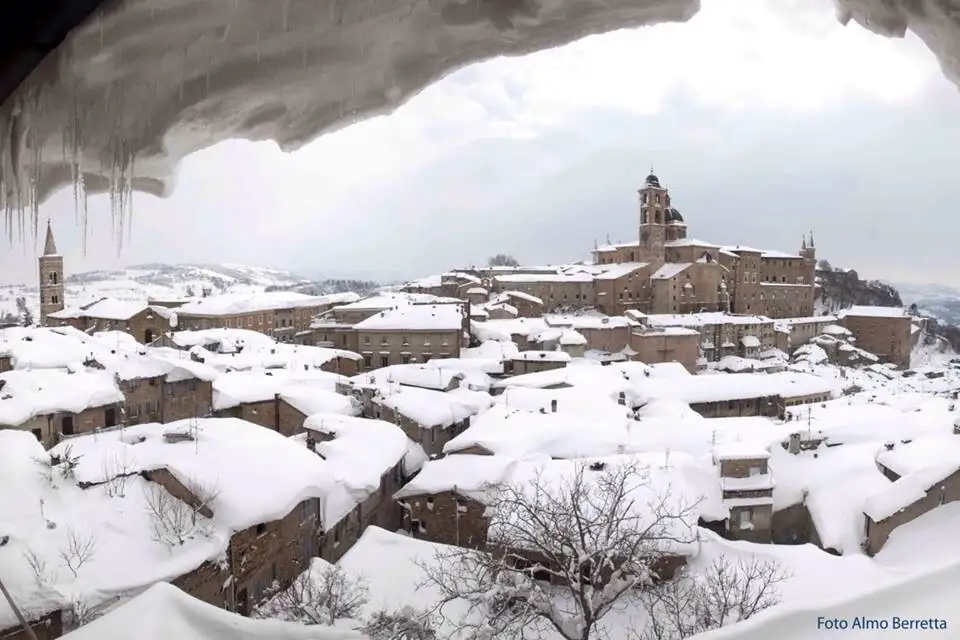
Here is what we love about our region in winter:
- Urbino is magical under snow, and the Ducal Palace is quiet enough to enjoy room by room. Our Urbino guide has the details.
- The Frasassi Caves stay open on winter slots, but plan around the closures: the official timetable lists the caves as closed on 4 December, 25 December and from 7 to 30 January inclusive. On winter weekdays the tours start at 11:30 am and 3:30 pm, with more slots on weekends and holidays.
- Festivals: the Venuta bonfires in Loreto in December, the Befana in Urbania in January and the carnivals of Fano and Offida in February.
- The Sibillini Mountains above Sarnano turn white in winter, and Sarnano is a good base; see our Sarnano guide.
What food is in season in Italy in winter?
Black truffles, citrus, chicory and cabbage, new olive oil, and the rich dishes of the holidays. Winter is the season of the prized black truffle, which is why we often build winter trips around a truffle hunt.
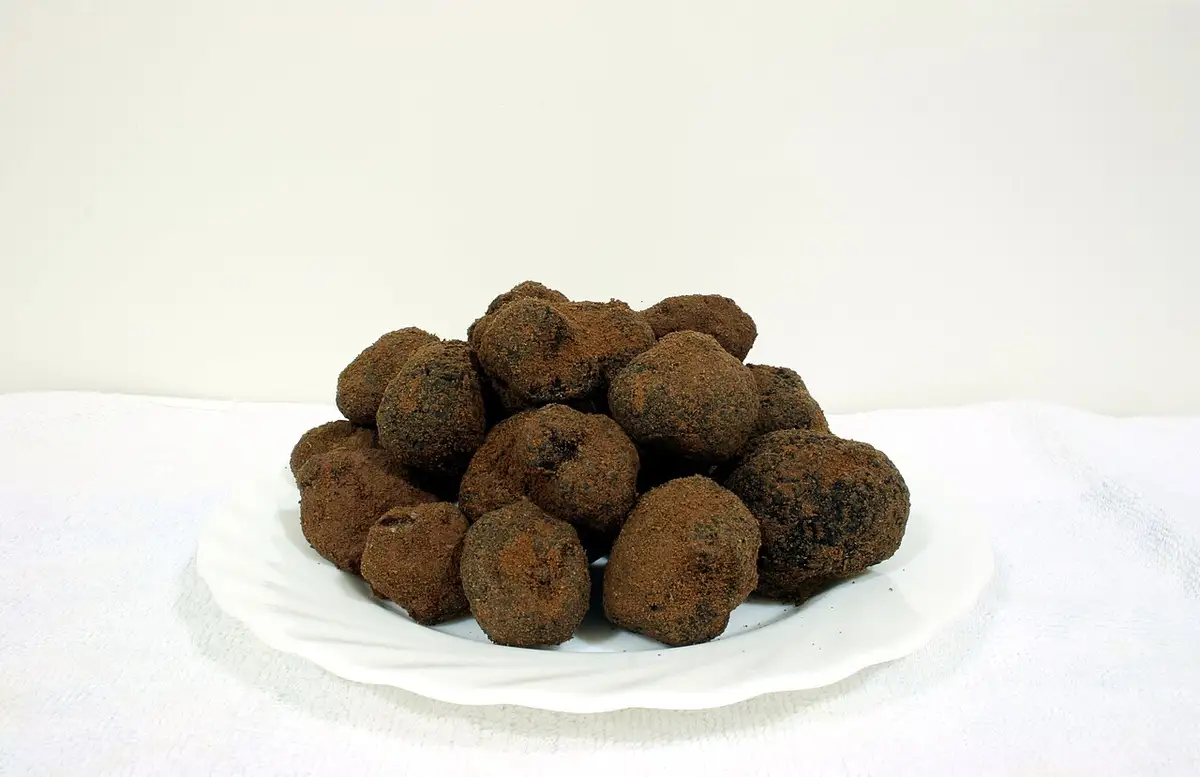
The Truffle Museum of Acqualagna, in the Marche truffle capital, gives the harvest seasons: the prized black truffle (tartufo nero pregiato) from 1 December to 15 March, and the spring bianchetto truffle from 15 January to 30 April. Read more in our guide to truffle hunting in Italy.
Can you drive in Italy in winter?
Yes, but check the winter equipment rules first. On roads that are signposted for it, you need winter tires or snow chains on board from 15 November to 15 April, whether or not it is snowing.
The period comes from a 2013 directive of the Ministry of Infrastructure and Transport, and each road authority decides which roads it applies to. The Italian State Police explains that the rule is shown by road signs, applies even when there is no snow, and that drivers without the right equipment can be fined and told not to continue. Some mountain authorities set longer periods, and in parts of the south the rule does not apply at all. When you rent a car, ask for winter tires or chains, and check the signs on mountain roads in the Alps and the Apennines.
What should I wear in Italy in winter?
Layers and a real coat. A warm wool or down coat, sweaters, a scarf, gloves for the north, a compact umbrella and waterproof shoes with good grip for wet stone streets will cover most trips. Jeans are perfectly normal in Italy; dark jeans with a good coat and leather shoes look right almost anywhere. Bring something smarter for the opera, a New Year’s dinner or Christmas Mass, and proper ski gear or snow boots if you head to the mountains.
When should you book a winter trip to Italy?
Book the holiday weeks early and the rest of winter is flexible. Christmas, New Year, the Epiphany weekend and Venice Carnival fill up first, along with ski resorts in school holidays. The quietest weeks are usually mid-January and early February, outside Carnival weekends.
One honest note from us: we design every trip with at least 8 weeks’ notice, so Christmas 2026 is now too close for a trip planned by us. If you contact us today, we can plan journeys from mid-January 2027 onward, which still covers Carnival, the black truffle season and the snowiest weeks of the year.
Frequently asked questions about Italy in winter
Is Italy worth visiting in winter?
Yes. Museums and art cities are calmer, prices outside the holidays are lower, and the season brings Christmas traditions, Carnival, skiing and the black truffle. Skip winter only if you want beaches and long, warm evenings.
How cold is Italy in winter?
Official 1981 to 2010 averages give January highs of about 42 to 46°F in Milan, Venice and Florence, 51°F in Rome and 54 to 57°F in Naples and Sicily, with nights around freezing in the north. The Alps and Apennines are colder and snowy.
Where is the warmest place in Italy in winter?
Sicily. Trapani and Siracusa have January highs of about 56 to 57°F, and Trapani has the mildest nights, around 47°F. Cagliari in Sardinia and Lecce in Puglia are close behind.
Does it snow in Italy in winter?
Yes, in the Alps and Apennines every winter, and sometimes in hill towns of central Italy such as Urbino. Snow in Rome, Florence or Naples is rare. The Dolomiti Superski season runs from 4 December 2026 to 4 April 2027.
What is the best month to visit Italy in winter?
January for low prices and quiet museums after Epiphany, December for Christmas markets and traditions, and February for Carnival, which in 2027 ends on Shrove Tuesday, 9 February.
Do I need winter tires to drive in Italy?
On signposted roads, yes: from 15 November to 15 April you need winter tires or snow chains on board, even without snow. Each road authority decides which roads are covered, and mountain areas can extend the period.
Plan your winter in Italy with locals
Sweet Life Italy is a certified incoming tour operator of the Marche Region, based in Castelraimondo and founded by Marco and Ilaria, who live in Marche. We design private, tailor-made trips for 1 to 7 guests across Marche and the rest of Italy, and we bring more than 13 years in luxury tourism to every itinerary.
Whether you dream of Carnival in Venice, a truffle hunt in our hills or a snowy week in the Dolomites, tell us about your trip and we will start with a free video call. After that we send a day-by-day proposal and a free first estimate.
Featured photo: Val Gardena in winter from Mount Seceda, by Wolfgang Moroder via Wikimedia Commons, CC BY-SA 3.0.