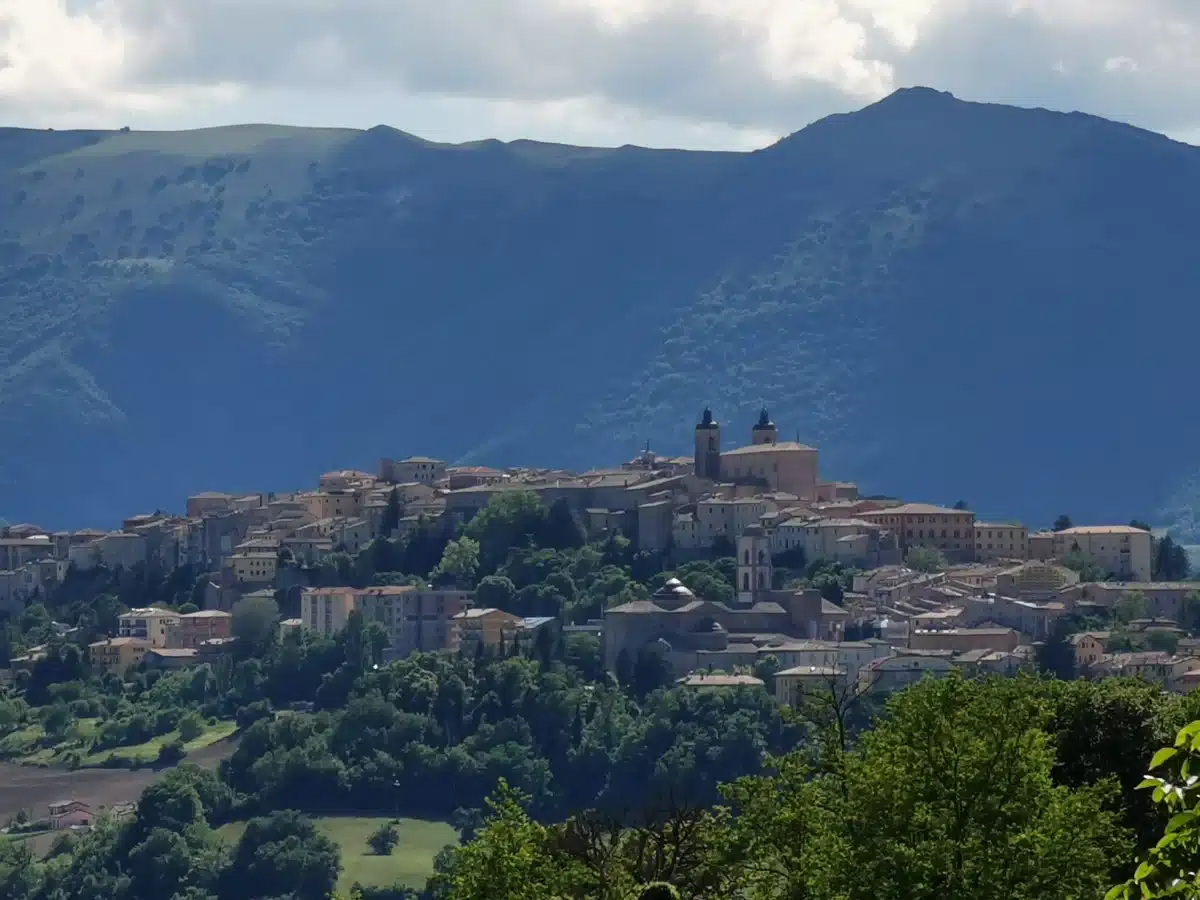
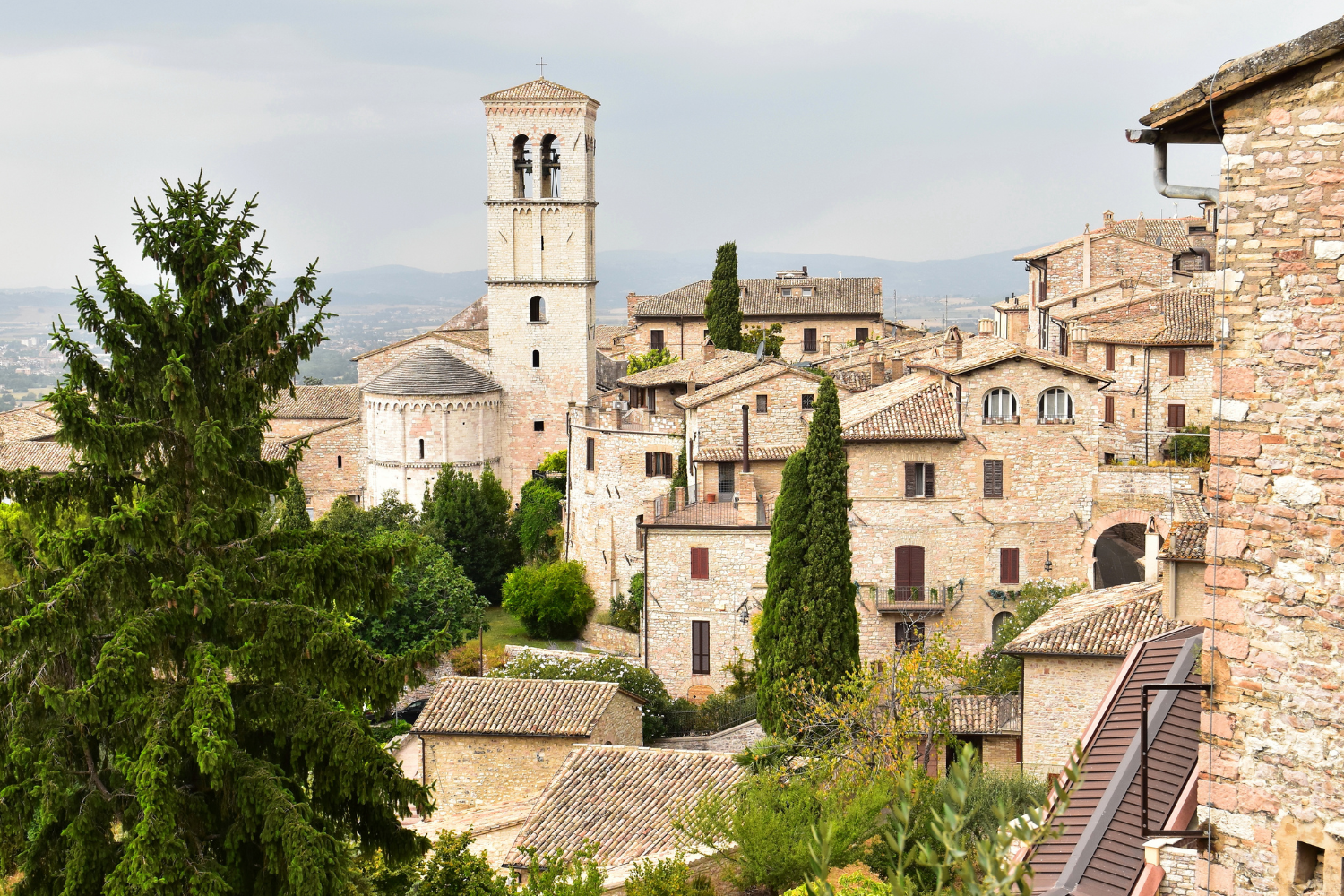
Perugia is the kind of city that rewards slow wandering, with medieval streets, panoramic viewpoints, major art, and a strong chocolate culture all packed into one hilltop capital of Umbria. The best way to see it is to start in Piazza IV Novembre, follow Corso Vannucci, and weave in the underground Rocca Paolina, the Galleria Nazionale dell’Umbria, and the city’s scenic walkways and viewpoints.
TL;DR / Quick Answer
If you only have one day in Perugia, focus on Piazza IV Novembre, the Fontana Maggiore, Palazzo dei Priori and the Galleria Nazionale dell’Umbria, then continue through Rocca Paolina, Corso Vannucci, and the medieval aqueduct for views over the rooftops. Finish with a chocolate stop and, if time allows, a viewpoint like Giardini Carducci before a short trip to Lake Trasimeno or Assisi.
Piazza IV Novembre and the Old Center
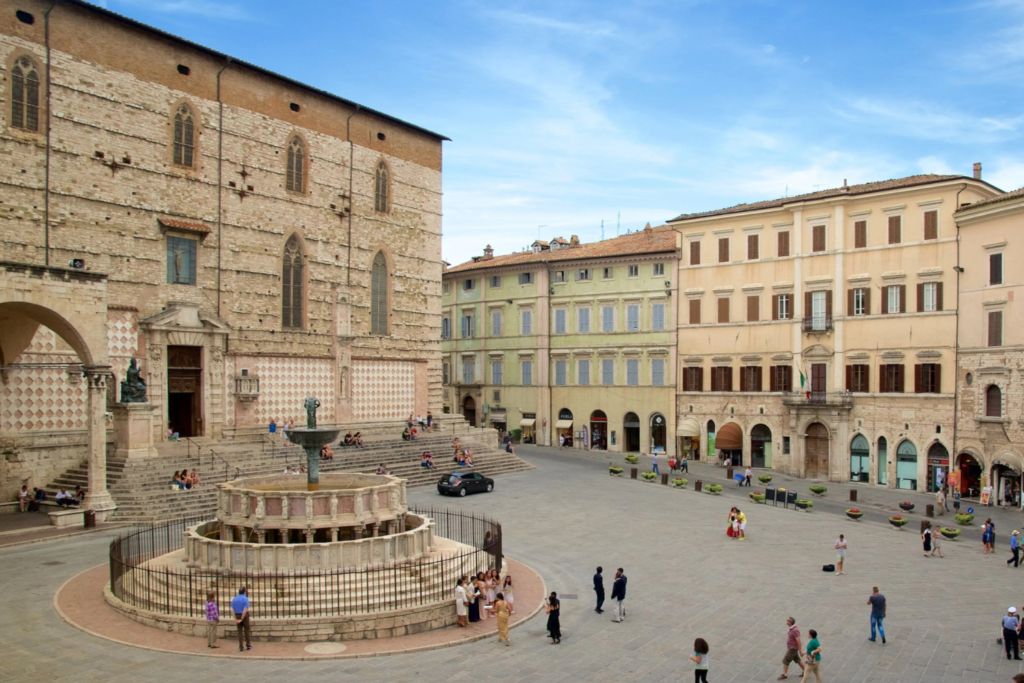
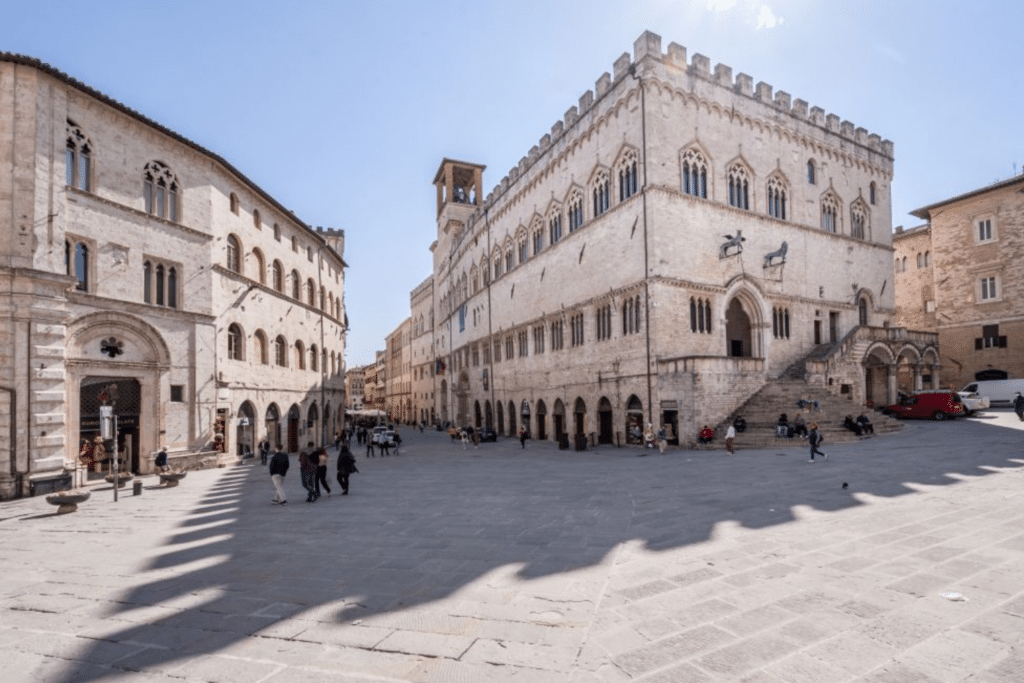
Piazza IV Novembre is the historic heart of Perugia and the best place to begin your visit. It brings together the Cathedral of San Lorenzo, the Palazzo dei Priori, and the Fontana Maggiore, which is widely described as one of the city’s defining monuments.
This square also connects naturally to the rest of the old town, so it works as both a landmark and a starting point for a walking route. If you are planning a wider central Italy trip, our custom Marche and Umbria private tours can easily combine Perugia with nearby hill towns and lake scenery.
Fontana Maggiore
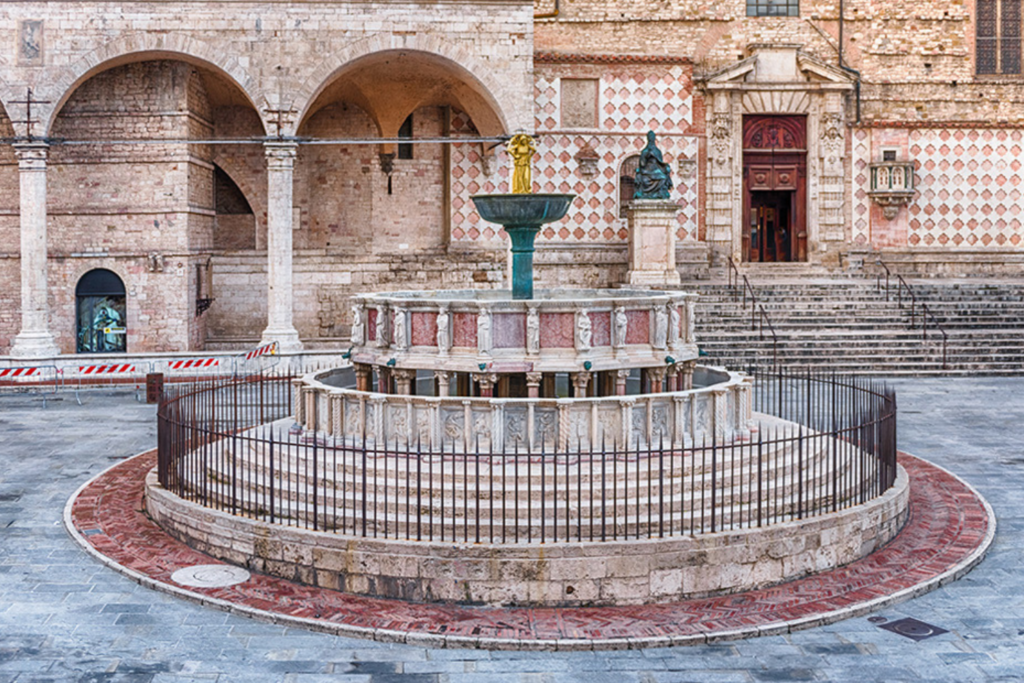
The Fontana Maggiore is the centerpiece of Piazza IV Novembre and one of the city’s most photographed sights. It was created in the late 13th century by Nicola and Giovanni Pisano and is known for its sculpted detail and symbolic decoration.
It is worth stopping here for a few minutes rather than rushing past, because the fountain helps explain why Perugia feels so richly layered and medieval. The square around it has been a civic center since Roman times and remains one of the most important public spaces in the city.
Palazzo dei Priori and the Art Collection
Palazzo dei Priori is one of Perugia’s most important medieval buildings and home to the Galleria Nazionale dell’Umbria. The gallery is especially valuable if you want to see Umbrian painting and understand the region’s artistic identity beyond the city’s streets.
Inside the Palazzo, the Collegio del Cambio is another highlight thanks to its frescoes by Perugino, one of the great names of the Umbrian school. This is the kind of stop that gives Perugia depth, because the city is not just scenic, it is culturally significant in a way that matches larger art cities.
Galleria Nazionale dell’Umbria
The Galleria Nazionale dell’Umbria is the best museum stop in Perugia for visitors who want major art in a compact, walkable setting. The collection makes a strong case for spending at least part of your day indoors, especially if you care about medieval and Renaissance painting.
A good visit here pairs naturally with Piazza IV Novembre, because the square and the palace together show how Perugia’s civic and artistic life developed side by side. For travelers who enjoy immersive cultural days, this is one of the strongest reasons to stay overnight rather than rushing through on a day trip.
Rocca Paolina Underground Fortress
Rocca Paolina is one of Perugia’s most memorable sights because it is not just a fortress, but an underground journey through the city’s layered history. Built in the 16th century under Pope Paul III, it was later largely demolished, leaving behind a striking subterranean network of passages and remnants that visitors can still explore today.
The escalator system that links the lower and upper city makes the visit even more distinctive, and it is one of the easiest ways to understand Perugia’s steep geography. If you want to see the city in a broader context, the official Italia.it Perugia guide is a useful companion for planning the rest of your route.
Corso Vannucci and the Medieval Walk
Corso Vannucci is the city’s main pedestrian street and the most pleasant route for simply walking, shopping, and watching daily life unfold. It connects naturally from Piazza IV Novembre and gives you the classic Perugia experience of sloping streets, historic facades, and lively cafes.
A slower route along the medieval aqueduct adds a more atmospheric side of the city, with elevated views and a quieter sense of the old town. This is also a good place to pause before heading to a viewpoint, since Perugia’s charm comes as much from its streets as from its monuments.
Chocolate, Views and Local Culture
Perugia is known as the city of chocolate, so tasting local sweets is not optional if you want the full experience. A stop at a chocolate shop on Corso Vannucci or a visit connected to Perugina is one of the most enjoyable ways to balance sightseeing with a more local, memorable experience.
For views, Giardini Carducci and the Tiber valley outlooks give you a clear sense of how dramatically the city sits above the surrounding landscape. If your timing is flexible, the city becomes even better during Umbria Jazz in July or Eurochocolate in October, both of which bring a stronger sense of atmosphere and energy.
Best Day Trips From Perugia
Lake Trasimeno is the easiest natural escape from Perugia and works well if you want to add water, villages, and a more relaxed pace to your itinerary. Assisi is the other major nearby highlight, especially if you want a historic town with major religious significance and one of Italy’s most famous basilicas.
These day trips are especially useful if you are building a 2 or 3 day itinerary, because Perugia works best as a base for central Umbria rather than a stand-alone stop. For a tailored route that combines city sights with nearby countryside, our bespoke Italian holiday packages can be adapted to a Perugia-centered trip.
Practical Visiting Tips
Perugia is compact, but the hills matter, so comfortable shoes are essential. The city rewards a route that moves between the piazza, the underground fortress, the art museum, and one or two viewpoints without trying to see everything in a single rush.
If you are choosing what to see in Perugia, prioritize the core historic center first, then add a food or chocolate stop, and finish with a view. That sequence gives you the best balance of history, atmosphere, and local character.
Frequently Asked Questions
How much time do you need in Perugia?
One full day is enough for the main sights, but 2 days is better if you want to enjoy museums, views, and chocolate without rushing.
Is Perugia worth visiting?
Yes, especially if you like medieval cities, art, and places that feel lived-in rather than overrun by tourism. The mix of Piazza IV Novembre, Rocca Paolina, and the Galleria Nazionale dell’Umbria gives it real depth.
What is the best thing to see first in Perugia?
Start with Piazza IV Novembre, because it is the city’s defining center and links naturally to the main sights around it.
Is Perugia good for a day trip?
Yes, but it is even better as an overnight stop, since the city’s hills and layered attractions are easier to enjoy at a slower pace.
Should I combine Perugia with other towns?
Yes, and the most natural combinations are Assisi and Lake Trasimeno. Those two give you a strong mix of history and landscape around a Perugia base.
About Sweet Life Italy
Sweet Life Italy creates private, tailor-made trips across central Italy, including Umbria and the Marche region. If you want Perugia combined with nearby hill towns, lakes, and food experiences, the route can be shaped around your pace and interests.