Off the beaten path Italy is not a secret village that nobody has found. It is most of the country: the regions between and beyond Rome, Florence and Venice, where daily life still sets the pace and a piazza at dinner time belongs to the people who live there.
This guide covers six regions that most first-time visitors skip, what each one is known for, and how to plan a trip that reaches them without losing days to logistics.
What does "off the beaten path" mean in Italy?
In Italy, off the beaten path means anywhere outside the handful of cities that absorb most foreign visitors. According to research by The Data Appeal Company reported by Finestre sull'Arte, 70 percent of foreign tourists in Italy concentrate on just 1 percent of the territory.
The same study names Rome, Venice, Florence and Milan as the top four destinations for those flows. Italy as a whole recorded 458.4 million nights in tourist accommodation in 2024, according to ISTAT, so the pressure on those few places is easy to understand.
The good news is the reverse side of that number. The other 99 percent includes Renaissance hill towns, national parks, Adriatic beaches and some of the country's oldest cities, and they are all a few hours from the famous names.
Which Italian regions are most off the beaten path?
Six regions stand out for travelers who want the real Italy without the queues: Marche, Umbria, Abruzzo, Molise, Basilicata and Friuli Venezia Giulia. Each has at least one sight of world importance, yet none of them appears on the standard first-trip itinerary.
| Region | Headline sight | Why go |
|---|---|---|
| Marche | Historic Centre of Urbino (UNESCO, 1998) | Renaissance towns, mountains and the Adriatic in one region |
| Umbria | Assisi and the Basilica of San Francesco (UNESCO, 2000) | Medieval hill towns and green countryside next to Tuscany |
| Abruzzo | Three national parks, including Gran Sasso | Wild mountains, about a third of the region protected |
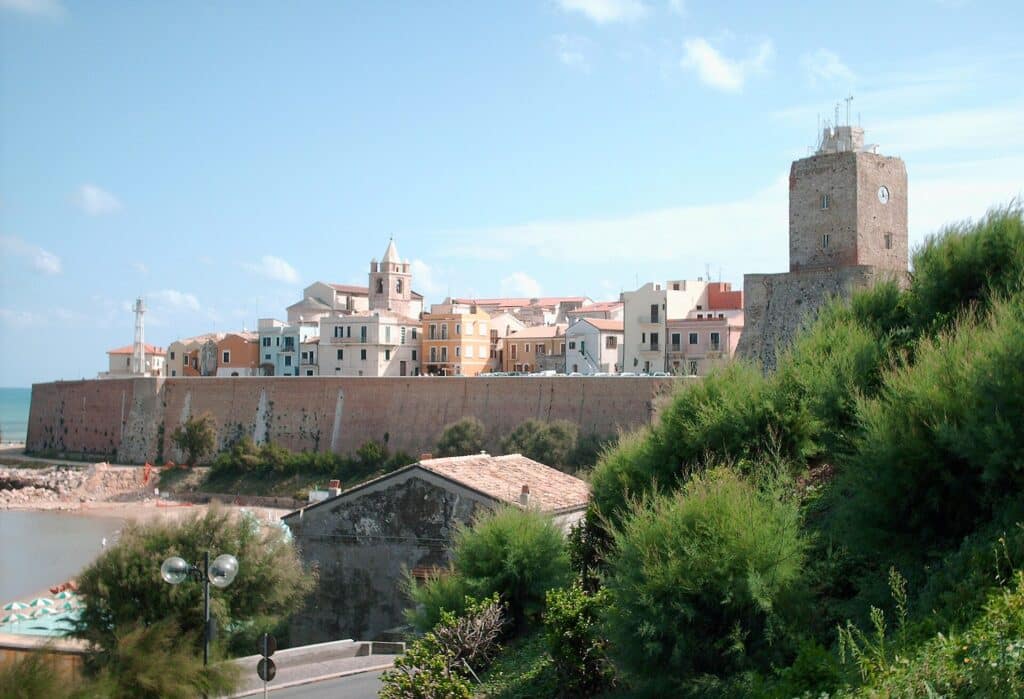
| Molise | Termoli's old town and its trabucchi | The least-known region in Italy, with a short Adriatic coast |
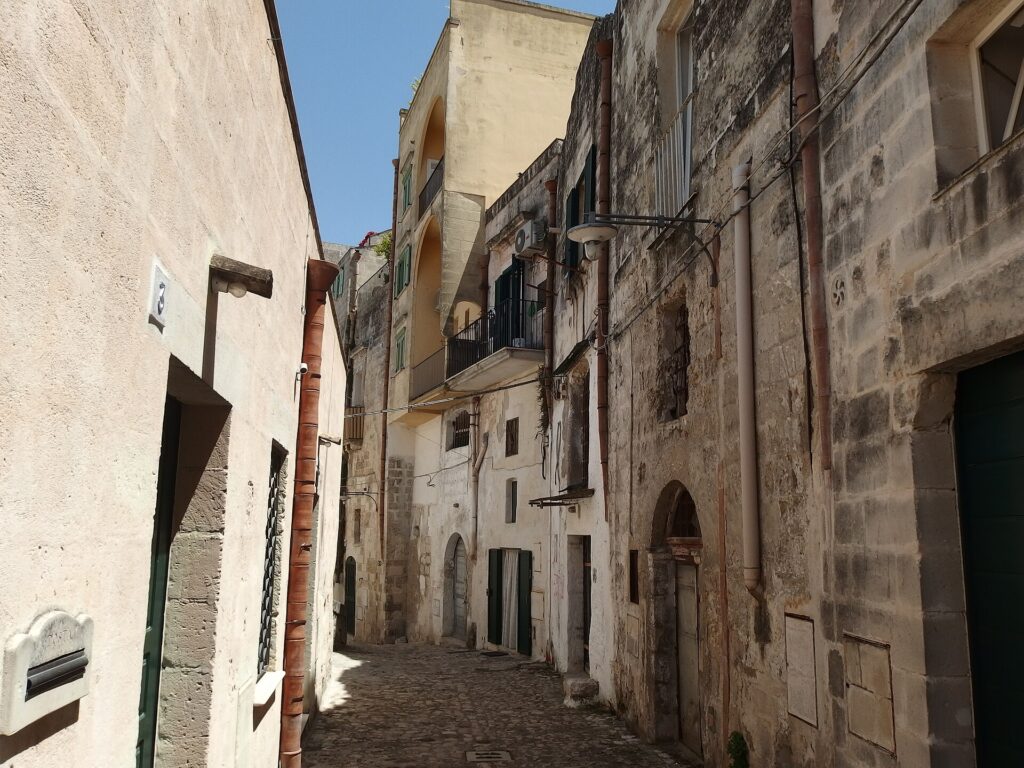
| Basilicata | The Sassi of Matera (UNESCO, 1993) | Cave dwellings, rock churches and quiet southern landscapes |
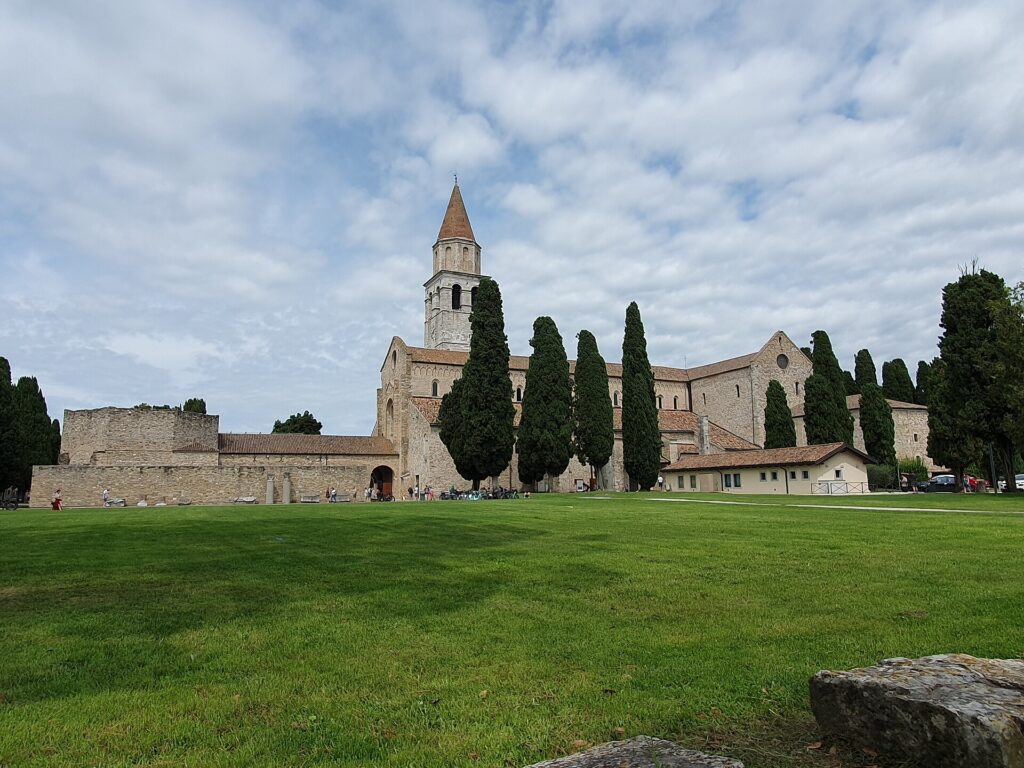
| Friuli Venezia Giulia | Aquileia's Roman remains and basilica (UNESCO, 1998) | Roman history, vineyards and a crossroads of cultures |
Why is Marche a good place to start?
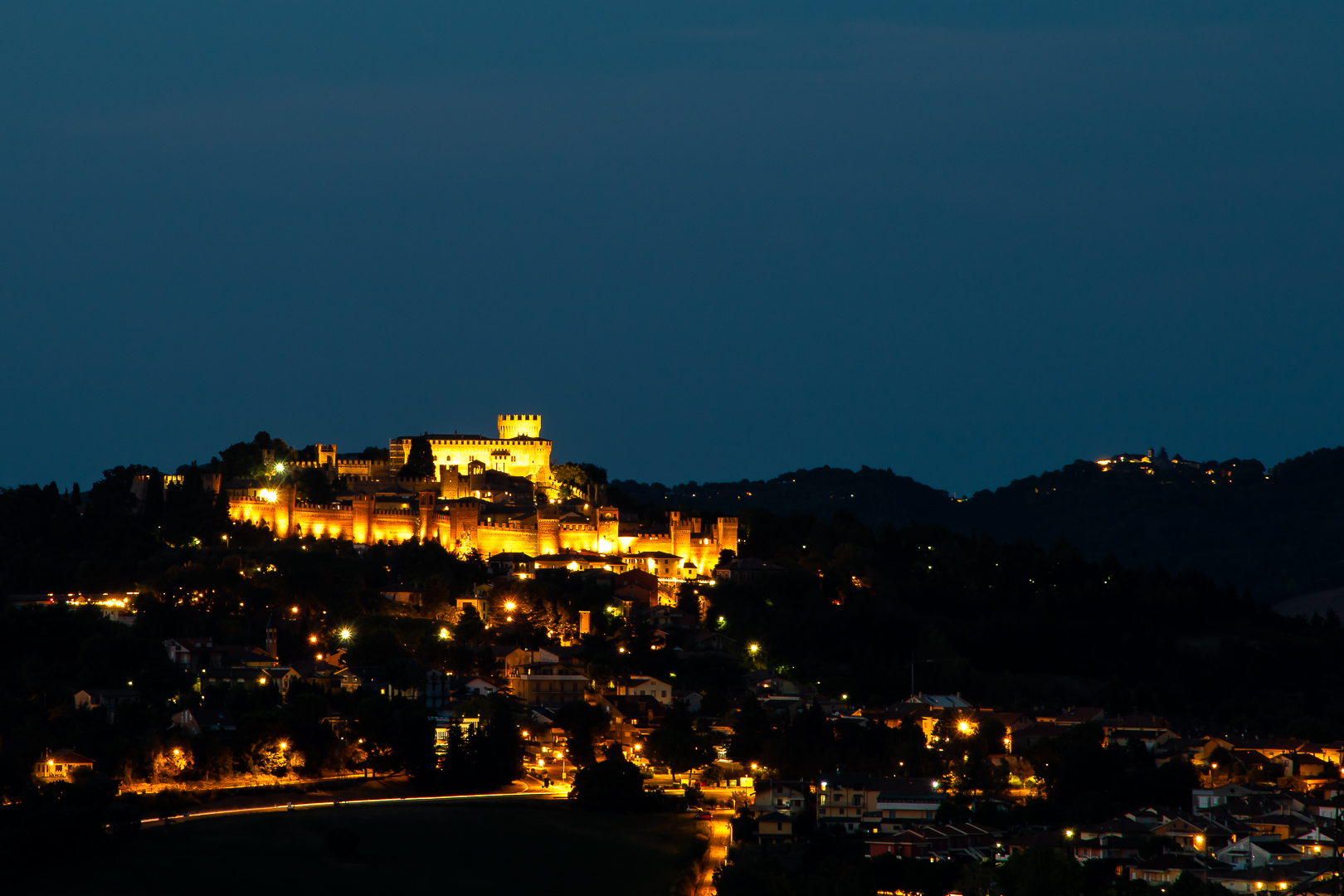
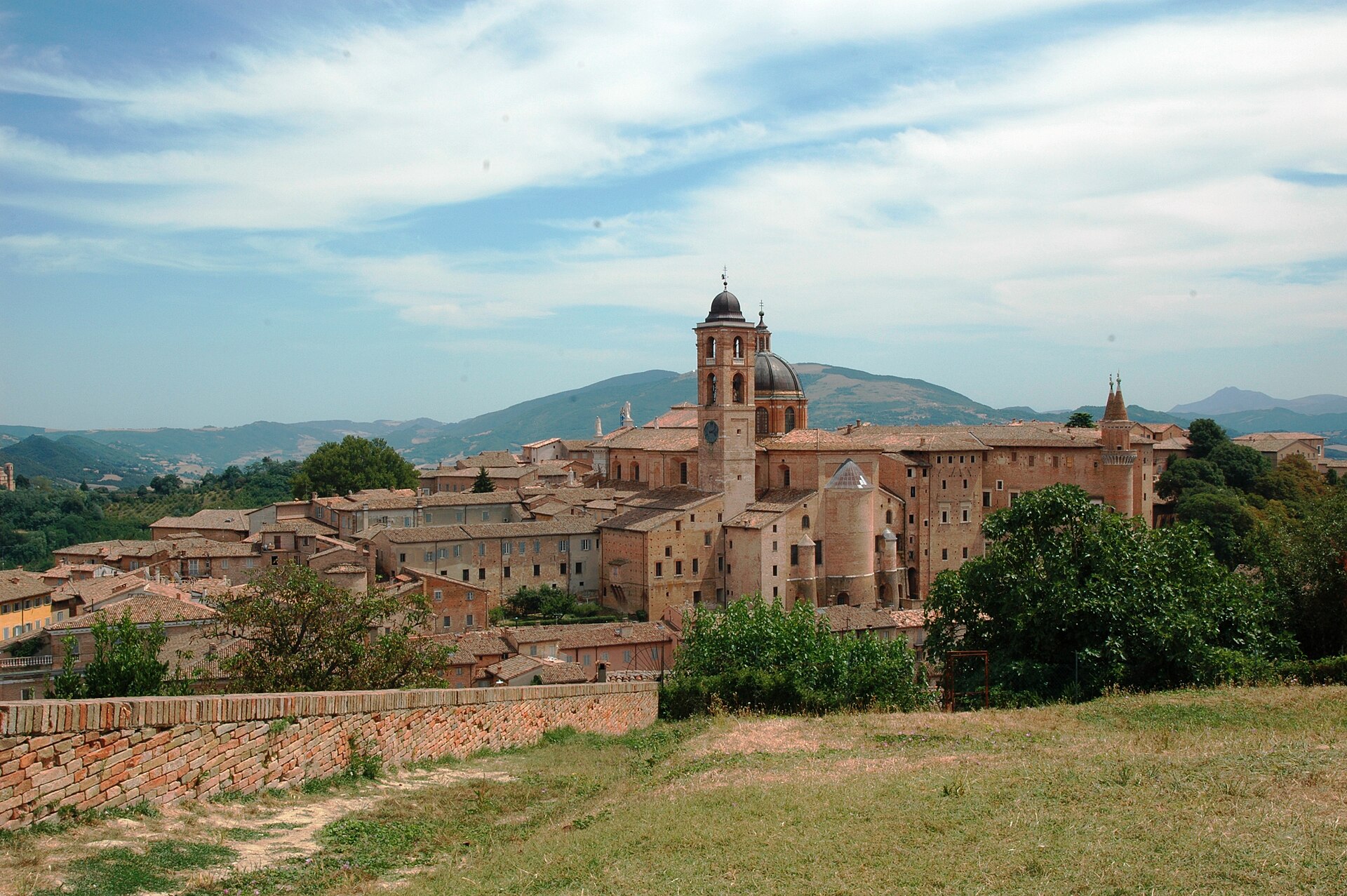
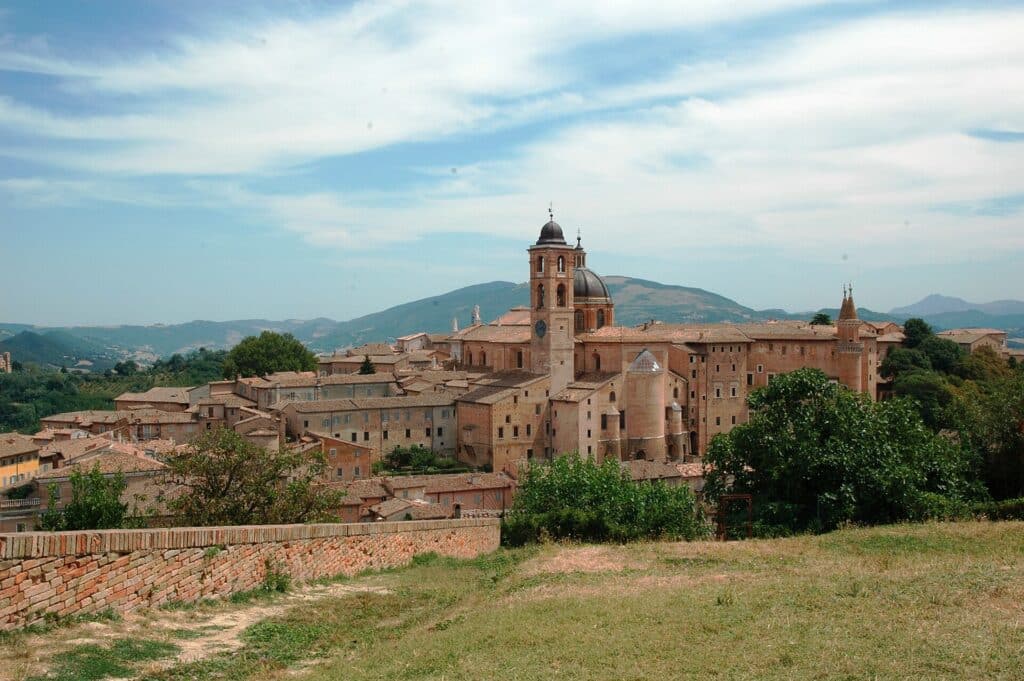
Marche offers the widest mix of experiences in the smallest area: Renaissance art, mountain parks and a long Adriatic coastline. National Geographic describes it as a "lesser-known region" set "between dramatic mountains and miles of coastline," and notes that even Urbino, Ascoli Piceno and Ancona "aren't household names for most travelers to Italy."
Urbino is the obvious first stop. UNESCO inscribed its historic centre in 1998, describing a "small hill town" that "experienced a great cultural flowering in the 15th century, attracting artists and scholars from all over Italy and beyond."
From Urbino, the rest of the region unfolds in short drives: the beaches and cliffs of the Conero Riviera, the travertine squares of Ascoli Piceno, and the Sibillini mountains inland. For a fuller picture of the region, see our Marche travel guide and our list of towns to visit in Marche.
What makes Umbria worth the detour?
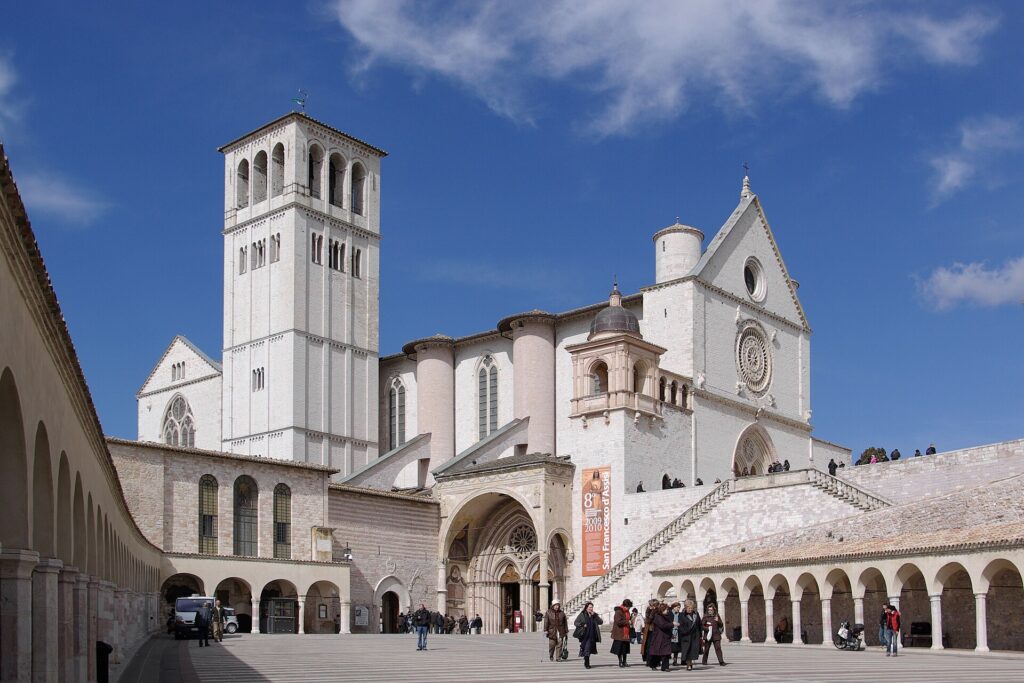
Umbria gives you the medieval hill towns and rolling farmland that people picture when they think of Tuscany, with fewer crowds. Its best-known town, Assisi, is the birthplace of Saint Francis and home to the basilica built in his name.
UNESCO lists Assisi, the Basilica of San Francesco and other Franciscan sites as a World Heritage Site, noting that its "masterpieces by Giotto" and other medieval painters made it a fundamental reference point for European art. Beyond Assisi, Perugia, Spello and Todi reward a slower pace. If Perugia is on your list, our guide to what to see in Perugia is a useful starting point.
Is Abruzzo worth visiting?
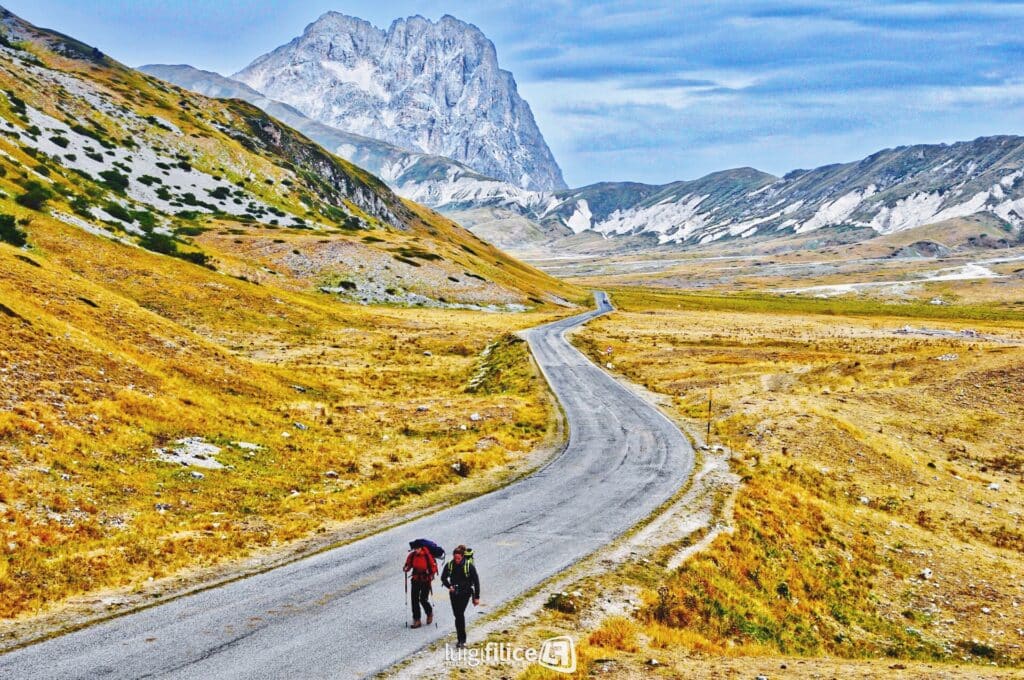
Yes, especially for travelers who love mountains, wildlife and quiet villages. National Geographic reports that "roughly a third of Abruzzo's territory is protected as national parks and nature reserves."
The region has three national parks: Gran Sasso e Monti della Laga, Abruzzo, Lazio e Molise, and Maiella. The high plateau of Campo Imperatore, below the Gran Sasso peaks, is one of the most striking landscapes in central Italy. Abruzzo also has an Adriatic coast, and our guide to Pescara covers its largest seaside city.
What is there to see in Molise?
Molise is for travelers who want to see a part of Italy that almost no visitor reaches. Lonely Planet puts it bluntly: "Of Italy's 20 regions, Molise probably ranks 20th in terms of name recognition."
The same guide describes a region where "mountains and hills, rather than people, crowd the interior," with a short 35 km stretch of Adriatic coast. Termoli, with its walled old town and trabucchi fishing platforms, is the natural base, while Isernia and the Roman site of Saepinum are the main historical sights inland.
Is Matera still off the beaten path?
Matera is better known than it was a decade ago, but Basilicata around it remains one of Italy's quietest regions. The draw is the Sassi, the ancient cave districts carved into the ravine.
UNESCO calls the Sassi and the Park of the Rupestrian Churches "the most outstanding, intact example of a troglodyte settlement in the Mediterranean region," with occupation dating back to the Paleolithic. Staying overnight, rather than visiting on a day trip, is the best way to see the Sassi after the day visitors leave.
What is Friuli Venezia Giulia known for?
Friuli Venezia Giulia, in Italy's far northeast, is known for Roman history, white wines and a culture shaped by Italy, Austria and Slovenia. Its standout sight is Aquileia.
UNESCO describes Aquileia as "one of the largest and wealthiest cities of the Early Roman Empire," with a Patriarchal Basilica famous for its mosaic floors. Most of the ancient city still lies unexcavated beneath the surrounding fields, which makes the site feel far less crowded than Rome's archaeological areas.
How do you get around Italy's lesser-known regions?
The honest answer is that these regions are easiest with a car or a private driver. Trains serve the coast and the main cities well, but hill towns, parks and wineries inland are spread out and bus connections can be infrequent.
It is possible to travel some of them by public transport if you choose your bases carefully. We explain how in Can You Explore Marche Without a Car? and in our itinerary for two weeks in Marche without a car. For travelers who would rather not drive, a chauffeur turns long transfers into part of the trip.
How many regions can you combine in one trip?
Two regions in one week, or three in two weeks, is a comfortable pace for most travelers. Marche and Umbria border each other, Abruzzo sits just south of Marche, and Molise follows Abruzzo along the Adriatic, so a coast-and-mountain loop through central Italy works well.
Basilicata and Friuli Venezia Giulia sit at opposite ends of the country, so they fit better as the focus of a separate trip or paired with a better-known neighbor such as Puglia or Venice. If you are unsure how long to give Marche itself, our guide on how many days to spend in Marche breaks it down.
How can Sweet Life Italy help you plan an off the beaten path Italy trip?
These regions reward travelers who plan around them rather than squeezing them in. At Sweet Life Italy, we design private, tailor-made journeys through Marche and central Italy, with our own chauffeur service so you can reach the hill towns and parks without driving.
If you would like to explore the hidden gems of Italy beyond the usual routes, tell us about your dream trip. The first estimate is free, and we start with a video call to understand what you are looking for.
About Sweet Life Italy. Sweet Life Italy is a certified incoming tour operator and destination management company based in Castelraimondo, in the Marche region, founded by Marco and Ilaria. We design bespoke Italian holidays with private transport from our own chauffeur service.