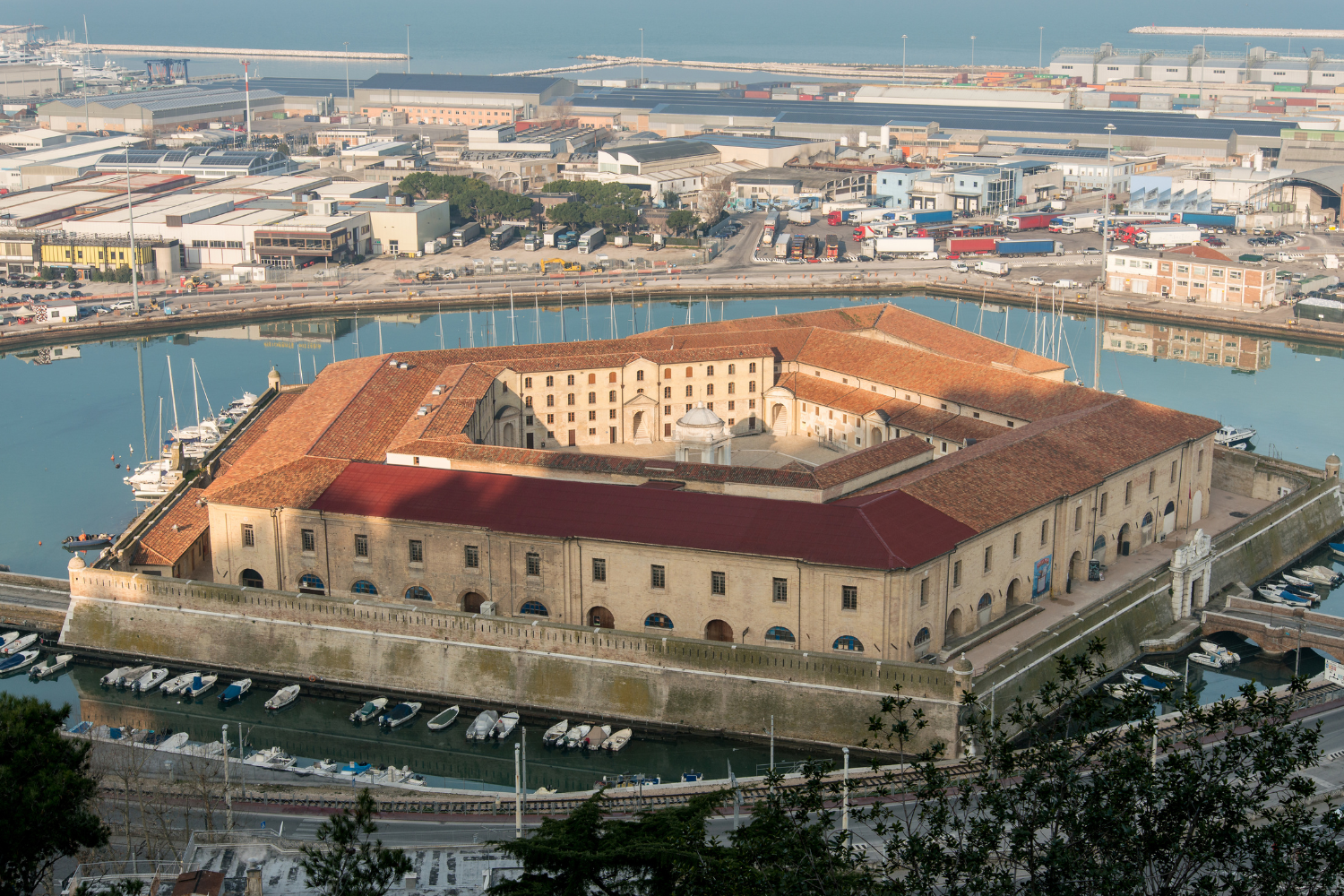
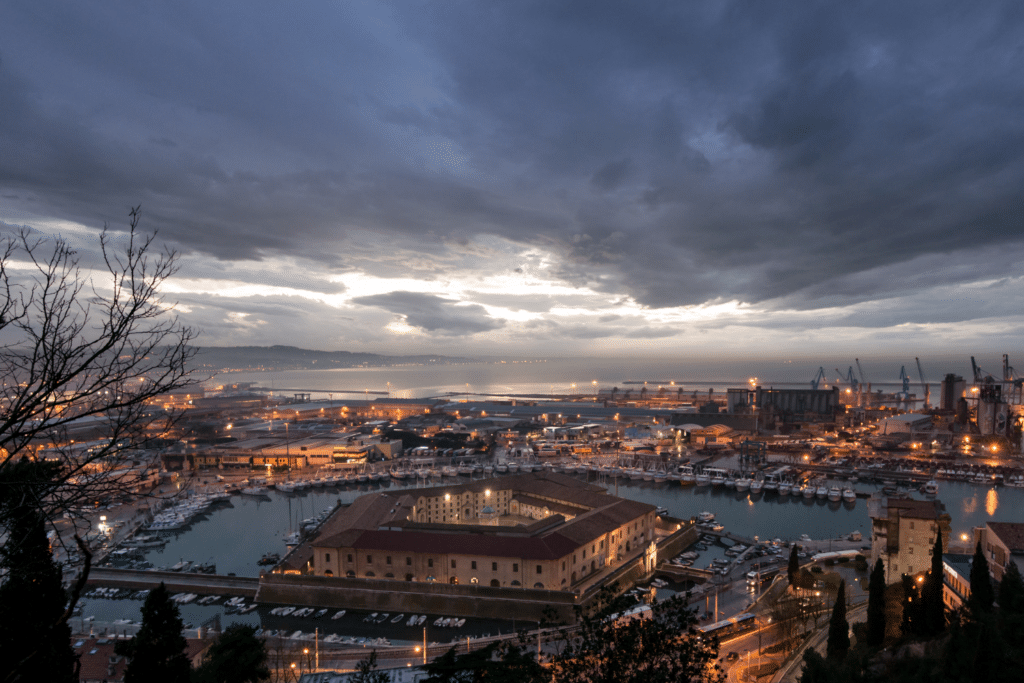
The Lazzaretto of Ancona, also called the Mole Vanvitelliana, is one of Italy’s most striking architectural monuments—a pentagonal island fortress built in 1732 as a quarantine station for the port of Ancona. Designed by renowned architect Luigi Vanvitelli under Pope Clement XII, it transformed a struggling Mediterranean port into a thriving hub of commerce and health protection. Today, this UNESCO-worthy structure hosts exhibitions, cultural events, and museums, attracting curious travelers who want to explore Marche’s hidden gems beyond Rome and Florence.
TL;DR / Quick Answer
The Lazzaretto of Ancona is an 18th-century pentagonal quarantine station built in 1732 on an artificial island in Ancona’s port. Originally designed by Luigi Vanvitelli to quarantine incoming travelers and goods for 40 days, it’s now a cultural center hosting exhibitions, the Omero Tactile Museum, and events. It’s a must-see for history lovers exploring the Marche region.
What Is the Lazzaretto of Ancona?
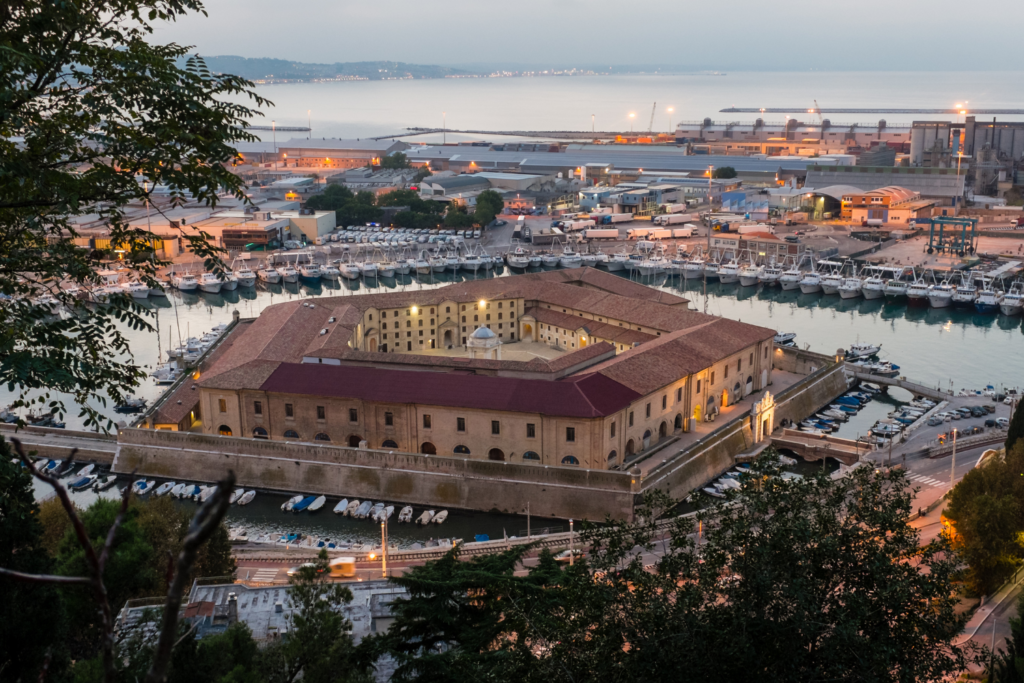
The Lazzaretto of Ancona is an 18th-century pentagonal fortress built on an artificial island in the Port of Ancona, Italy. It was commissioned by Pope Clement XII in 1732 and designed by the celebrated architect Luigi Vanvitelli. The structure served as a quarantine station where possibly-infected travelers and goods arriving by sea were isolated for 40 days, the origin of the word “quarantine” itself. Connected to the mainland by three bridges, the building’s striking geometric design was both functional and symbolic, designed to protect the port while maintaining public health during an era of frequent epidemics.
Why the Lazzaretto Matters: A Testament to Enlightened Governance
The Lazzaretto represents an extraordinary moment in 18th-century Italian history:
- Economic revitalization: Pope Clement XII granted Ancona free port status, and the Lazzaretto was central to restoring the city’s prosperity after decades of decline.
- Architectural symbolism: The pentagonal shape carries deep meaning. The five points represent man’s power to shape reality, rooted in Pythagorean philosophy and Renaissance ideal-city planning.
- Public health innovation: It was one of Europe’s first dedicated quarantine structures, demonstrating enlightened policies around disease prevention.
- Cultural longevity: Unlike many historical structures relegated to museums, the Lazzaretto thrives as a living cultural space hosting exhibitions and events year-round.
- Hidden gem appeal: While Rome and Florence dominate Italian tourism, the Lazzaretto remains relatively undiscovered, perfect for travelers seeking authentic experiences off the beaten path.
The History and Architecture: Genius Design by Luigi Vanvitelli
The Visionary Builder
Luigi Vanvitelli, one of Italy’s greatest 18th-century architects, was commissioned to redesign Ancona’s entire port. His masterpiece was the Lazzaretto, which he conceived in a perfect regular pentagon. A shape that dominates every element: the surrounding walls, internal buildings, central courtyard, and even the neoclassical temple at its heart. When you explore our custom Marche private tours, you’ll discover how Vanvitelli’s pentagonal vision unified every detail of the structure.
The Pentagonal Symbolism: More Than Just Architecture
The five-sided design was far more than aesthetic. Vanvitelli drew on Renaissance ideal-city principles and Pythagorean geometry, embedding the pentalpha symbol throughout the monument. This symbol, visible at the center of the dome in the Temple of Saint Roch, represents spiritual and physical well-being. By connecting the pentalpha’s points, you create concentric pentagons that generate the entire structure’s proportions, from the temple to the water cistern beneath the courtyard to the island itself. It’s geometry as philosophy, and it’s breathtaking to witness in person.
Functions Over Time: From Quarantine to Cultural Hub
The Lazzaretto’s history reflects Italy’s own evolution:
- 1732–1860: Primary quarantine station, protecting Ancona from plague and disease
- 1860–1884: Military citadel defending the Adriatic coast
- 1884–1918: Sugar refinery, a striking repurposing of sacred health space
- 1970s–Present: Rediscovered as an artistic and cultural gem, now home to the Museo Omero (Tactile Museum), temporary exhibitions, and an auditorium
What to See and Do at the Lazzaretto
The Central Temple and Sacred Geometry
The Temple of Saint Roch sits at the geometric center of the entire structure, directly above the water cistern that once supplied fresh drinking water to quarantined travelers. Saint Roch is the patron saint invoked against plague, making the temple’s placement both practical and spiritual. The temple’s dome features the pentalpha, a symbol representing the five elements and spiritual protection. Standing in the courtyard, you’ll feel the intentional geometry that makes this space sacred and calm.
The Tactile Museum (Museo Omero)
Part of the Lazzaretto now houses the Museo Omero, Italy’s unique tactile museum designed for blind and visually-impaired visitors. Even if you don’t have vision impairment, the museum’s philosophy of experiencing art through touch and other senses transforms how you engage with the space. The collection spans classical to contemporary sculptures, many allowing you to touch and feel their surfaces. It’s an unexpected, memorable experience that makes the Lazzaretto more than just a historical monument.
Rotating Exhibitions and Cultural Events
Throughout the year, the Lazzaretto hosts art exhibitions, photography displays, theater productions, and concerts. The combination of history, architecture, and contemporary culture creates a unique atmosphere. You’re exploring 300 years of Italian maritime history while surrounded by modern creative expression. When you book a private cultural tour to Ancona through Sweet Life Italy, we can time your visit to coincide with exhibitions that match your interests.
Visitor Essentials: How to Plan Your Visit
Getting There
Ancona is on Italy’s Adriatic coast in the Marche region, roughly 200 kilometers (125 miles) north of Rome. You can reach it by:
- Train: Direct routes from Rome (2.5–3 hours) or other Italian cities
- Car: Scenic drive via the A14 autostrada
- Flight: Ancona–Falconara Airport connects to major European cities
The Lazzaretto sits in Ancona’s port, accessible via a short walk from the city center (10–15 minutes on foot).
Entry and Hours
The Lazzaretto is open year-round, though hours vary by exhibition schedule. General visiting hours are typically 9 AM–6 PM. Check with Ancona Tourism for current times. Entry is modest, around €4–8 depending on exhibitions. Many areas are free to explore, while special exhibits or the Museo Omero may have separate fees.
Best Time to Visit
Spring (April–May) and fall (September–October) offer mild weather and fewer crowds than summer. Winter visits are peaceful and atmospheric. If you’re interested in a specific exhibition, check Ancona’s cultural event calendar ahead of time.
Why You Should Visit the Lazzaretto During a Marche Holiday
The Lazzaretto is the centerpiece of a wider Marche cultural experience. Our guests often pair it with:
- Urbino: Renaissance hill town just 1 hour away, home to the Palazzo Ducale
- Fano: Coastal town with Roman ruins and medieval charm
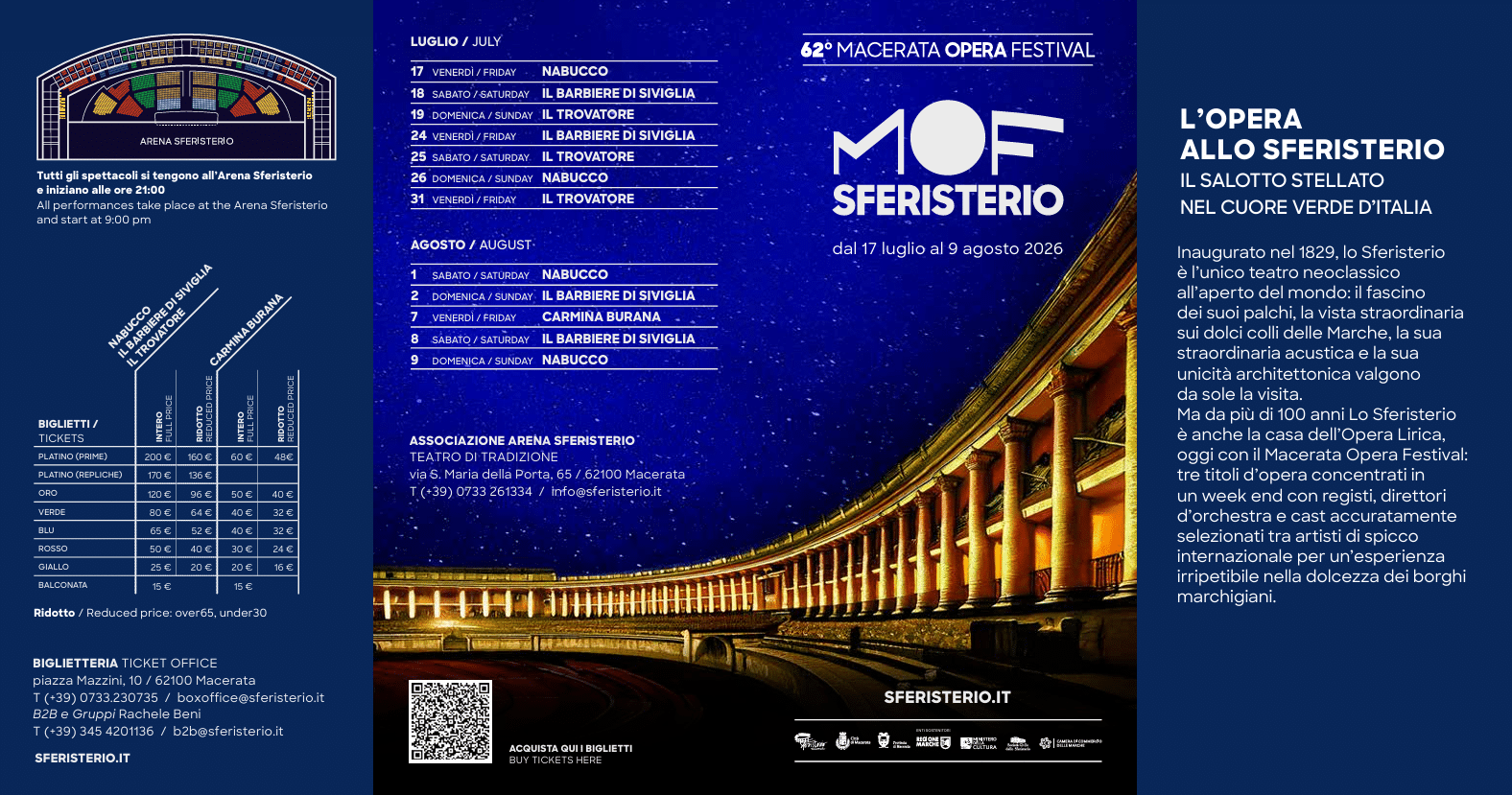
- Macerata Opera Festival: If visiting summer (August), experience opera in an open-air Renaissance stadium
- Local gastronomy: Ancona’s famous brodetto fish stew and Vermentino white wines
As part of a bespoke Marche holiday, the Lazzaretto becomes a gateway to understanding how Italy’s Adriatic coast balanced commerce, art, and wellness. If you’re interested in a multi-destination Marche experience, explore our bespoke Italian holiday packages for tailored 5–7 day itineraries.
Frequently Asked Questions
Q: How long does it take to visit the Lazzaretto?
A: Most visitors spend 1.5 to 2.5 hours exploring the structure, courtyard, exhibitions, and Museo Omero. You can do a quick 45-minute walk if short on time, but the site rewards slower exploration.
Q: Is the Lazzaretto accessible for people with mobility challenges?
A: The main courtyard and ground-floor temple are accessible. Some upper levels and narrow passages may be challenging. Contact Ancona Tourism ahead for specific access details.
Q: Can I visit the Lazzaretto independently or do I need a guide?
A: It’s open to independent visitors, but a knowledgeable guide transforms the experience, especially someone who can explain the Pythagorean geometry and architectural symbolism. Sweet Life Italy offers private guided tours tailored to your interests.
Q: What’s the difference between the “Lazzaretto” and the “Mole Vanvitelliana”?
A: They’re the same building. “Lazzaretto” refers to its original function as a quarantine station, while “Mole Vanvitelliana” refers to Luigi Vanvitelli’s architectural design. Locals use both names interchangeably.
Q: Is the Lazzaretto worth visiting if I don’t care about history?
A: Absolutely. The pentagonal architecture is visually stunning, the courtyard is peaceful and photogenic, the exhibitions are contemporary and engaging, and the Museo Omero’s tactile approach feels fresh. History enriches the experience, but the space appeals to everyone.
Q: Can I visit other Adriatic coast sites nearby?
A: Yes. Within 30–60 minutes by car you’ll find Portonovo (medieval fortress and beach), Sirolo (hilltop coastal town), and Numana (Roman port town). These pair beautifully with a Lazzaretto visit.
About the Authors
Marco & Ilaria of Sweet Life Italy
Marco and Ilaria are the founders of Sweet Life Italy, a bespoke luxury travel agency specializing in custom Marche region experiences. With 10+ years arranging private tours, cultural excursions, and wellness retreats across central Italy, they know every hidden gem from Renaissance hilltop towns to coastal quarantine stations turned cultural centers. They personally curate every itinerary to match individual interests, whether history, food, art, or relaxation.